These records are found in the online catalog of The Mariners’ Museum and Park in Newport News, Virginia. Uncurated search results are presented to give researchers and interested readers an idea of whether the museum’s archives contain information about this vessel and whether it may be worthwhile to visit the museum’s catalog search page for further investigation. Uncurated results may be inaccurate or incomplete.
Mariners Museum online catalog search, July 12, 2026. Search phrase: "Aurora". Catalog returned 89 records; this selection table includes 89 records fetched through catalog result pages.
Use these buttons to send uncurated search results to your own app or text document for further research. First, check the box for any row, or click "Select All" then uncheck any rows. Then click "Show Selections". You can then copy your selections from the text box and past them into your app.
73 E 126 STREET - NEW YORK - NEW YORK - UNITED STATES - Related Place
VESSEL INFORMATION - VESSEL NAME: AURORA SERVICE DATES: 1893-1930 BUILDER LOCATION: BROOKLYN, NEW YORK VESSEL REBUILT: 1910 VESSEL DISMANTLED: 1930 ALL SHIP'S NAMES: GRAND MANAN (1911), CANADIAN VESSEL DIMENSIONS: 130.0 x 26.0 x 11.0
Starboard side view of the Aurora. Scrollwork on the left and bottom frames, and caption above ship reading "All Around Staten Island". People are visible on deck.
AURORA (SIDE-WHEEL STEAMBOAT: 1911-1922) - ANDREW M. CHURCH (BARGE: 1892)
Paddle steamers.; Piers.
Front-quarter view of the Aurora docked at a pier. The Andrew M. Church is docked alongside the Aurora. There is a man walking on the pier in the foreground. There is another behind the Aurora. The photograph may have been taken on 7/31/1920 according to the album.
AURORA (SIDE-WHEEL STEAMBOAT: 1911-1922) - ANDREW M. CHURCH (BARGE: 1892)
Paddle steamers.; Piers.; Harbors.; Buildings.
Front-quarter view of the Aurora docked at a pier. The Andrew M. Church is docked alongside the Aurora. There are buildings in the background. The photograph may have been taken on 7/31/1920 according to the album.
Portside view of the Aurora, two small boats flying American flags seen beside her. Part of an American flag is also visible in the top left corner of the photograph.
Rear-quarter view of the Aurora docked at a pier from across a cobblestone area and quay. The photograph may have been taken on 7/31/1920 according to the album.
SHORT DESCRIPTION: This drawing shows the barkentine AURORA passing the San Pedro breakwater lighthouse into the harbor. Under the title of AURRA, Mr. Hoskins added 34 degrees north Lat. - 118 degrees west Long. that roughly is the position of Los Angeles harbor. The AURORA was built at the Everett Shipbuilding Company, Everett, Washington, in 1901. the drawing shows her about 1919 as during 1920, she was re-rigged as a schooner....Emmett Hoskins
Shows a starboard side view of a passenger boat in the water, her decks crowded with passengers. Research shows this scene to be set along the Harlem River in Upper Manhattan. Stanton's notebooks contain the following information about this item: "June 17 '95"
NOTES: Information concerning the Bailey Collection of watercolor views of U.S. Naval actions (1745-1850) in The Mariners’ Museum, Newport News, Virginia In 1940 The Mariners’ purchased from a dealer in London a collection of 254 watercolor drawings, which were at the time attributed to Charles T. Warren (1767-1823), an engraver. They were represented as having belonged to a Charles Kingsley Bailey, and have henceforth been referred to as the Bailey Collection. The views in the collection range from the Siege of Louisburg in 1745 to an action which occurred in 1850. Simply on the basis of the breadth of coverage, then, it appeared unlikely that these were executed contemporary to the action by one person. Moreover, persons making studies of individual vessels represented in the collection have pointed out that there are major inaccuracies in the details of the vessels. Research initiated by the museum from 1974 to 1982 subsequently revealed that the watercolors were actually done by Irwin John Bevan (1852-1940). Welsh-born Bevan was a keen naval historian and his sketches and paintings included many maritime subjects. His work can be seen in Sea Fights of the Great War by W.L. Wyllie and M. F. Wrenn, published in 1918. Since Bevan did book illustrations, the present assumption is that this group of watercolors was executed to illustrate a projected work on the history of the U.S. Navy, especially as it related to the British Navy. Detailed contemporary accounts of the U.S.-British actions were written down in letters, official reports and newspapers of the day and nineteenth century historians had these sources available for their texts. The accounts accompanying Bevan’s paintings relied heavily on all these sources. Notwithstanding this however, the paintings must not be taken as primary documents of either the vessels or the engagements. They should be viewed in the context of the artist’s conceptions, which may vary considerably in their reliability. It is left to the discretion of the researcher whether or not this material will be of value in the current project. Alternate vessel names: (1) USS SPENCER (1811-1813); (2) COCKCHAFER (1813-1815).
WRITTEN ON VERSO: FORMERLY MILLER COUNTY. BUILT 1920 AT BALTIMORE, MARYLAND BY BALTIMORE DRY DOCK & SHIPBUILDING COMPANY. OWNED BY SOCONY VACUUM OIL COMPANY. 7,050T, 431 X 59.2 X 33.3 RENAMED JAMESTOWN, MARIVELES, JAMESTOWN,
WRITTEN ON VERSO: FORMERLY MILER COUNTY. BUILT 1920 AT BALTIMORE, MARYLAND BY BALTIMORE DRY DOCK & SHIPBUILDING COMPANY. OWNED BY SOCONY VACUUM OIL COMPANY. 7,050T, 431 X 59.2 X 33.3 RENAMED JAMESTOWN, MARIVELES, JAMESTOWN, BROKEN UP IN 1958
Tankers
Side view of showing damage. Alternate Name: Miller County.
WRITTEN ON VERSO: BUILT 1893 AT BROOKLIN NEW YORK. 277.33T, 114.8 X 26.6 X 10.9 REBUILT 1911 AT LIVERPOOL , NOVA SCOTIA BY D.C MULHALL. RENAMED ROBERT C , GRAND MANAN. DISMANTLED 1903
WRITTEN ON VERSO: BUILT 1893 AT BROOKLIN NEW YORK. 277.33T, 114.8 X 26.6 X 10.9 REBUILT 1911 AT LIVERPOOL , NOVA SCOTIA BY D.C MULHALL. RENAMED ROBERT C , GRAND MANAN. DISMANTLED 1903
Ship under way, crewmen on deck, flags flying. Alternate names: Roberta C.; Grand Manan
AUSTIN (SIDE-WHEEL TOW BOAT: 1853-1898) - AURORA (STEAMSHIP: 1893)
Austin - Aurora; 2159
Steamboats–United States.; Paddle steamers–United States.
Shows the port side bow of Austin and the starboard side stern of Aurora as the two vessels pass each other in the water. Stanton's notebooks contain the following information about this item: "June 26, 1896"
SHORT DESCRIPTION: Large format watercolor on paper depicting an Orca whale in polar waters. The Aurora Borealis is visible in the sky, a three-masted sailing ship is on the horizon in the background, the ship has a large anchor hanging underneath. There is a large iceberg with Orca swimming beside it in the background at the left.
Glass plate 5x7 "Aurora" ex Norwalk 1849, later Norwalk Oriental, copy Bard painting, 'Hero' in background
Ships in art.; Steamboats–United States.; Paddle steamers–United States.
This is a photograph of a painting by James (and John) Bard depicting the port side of a paddle steamer. Another paddle steamer can be seen in the background of the painting.
ASSISTANT CURATOR'S NOTES: Deak, Gloria Gilda. Picturing America, 1497-1899. Prints, Maps and Drawings Bearing on The New World Discoveries and on the Development of the Territory that is Now the United States. From the I.N. Phelps Stokes Collection and Other Collections In the Miriam and Ira D. Wallach Division of Art, Prints, and Other Photographs of the New York Public Library. Volume I & II. Princeton, N.J.: Princeton University Press, 1988, p. 379-380, catalog 563.
WRITTEN ON VERSO: FORMERLY MILLER COUNTY. BUILT 1920 AT BALTIMORE, MARYLAND BY BALTIMORE DRY DOCK & SHIPBUILDING COMPANY. OWNED BY SOCONY VACUUM OIL COMPANY. 7,050T, 431 X 59.2 X 33.3 RENAMED JAMESTOWN, MARIVELES, JAMESTOWN,
Steamboats–United States.; Paddle steamers–United States.
In the foreground shows a port side view of the bow of the side wheel steamer Cepheus, her decks full of passengers. Aurora is in the background partially obscured. Stanton's notebooks contain the following information about this item: "Jun 26, 1896"
Shows a port side view of a screw schooner moored at a pier, an excursion boat is moored at the opposite of the same pier. Stanton's notebooks contain the following information about this item: "May 7 [1895]"
INVENTORY: lid - there is one (1) component part. NOTES: This dish was presented to the donor's grandfather, Captain Galen O. Norton of Castine, Maine. It was presented to him when he agreed to use his ship, the AURORA, as flagship in the regatta. The dish was made by Hardy Brothers, Sydney, New South Wales.
Steamboats–New York (State).; Paddle steamers–New York (State).
This shot is made from the top deck of a steamboat looking across the Hudson River towards to other steamboats. In the foreground on the deck is a woman looking through binoculars, other passengers are shading themselves with umbrellas. This negative has thumbtack holes. Stanton's notebooks contain the following information about this item: "Jun 26, 1896"
Steamboats–New York (State).; Paddle steamers–New York (State).
Shows a view of the Hudson River. A group of barges is being pulled by a tow boat. There are three additional passenger boats in the water. This negative has thumbtack holes. Stanton's notebooks contain the following information about this item: "June 26, 1896"
War neuroses.; Vietnam War, 1961-1975–Psychological aspects.; Air pilots, Military–Psychology. United States; Vietnam War, 1961-1975–Aerial operations, American.
Psychological effects of captivity among US Navy aviators, Vietnam : - a longitudinal study, 1974-1997 - by Aurora Sanchez-Anguiano
Steamboats–New York (State)–New York.; Paddle steamers–New York (State)–New York.
Shows a bay or sound full of steamboats and sailboats. Stanton's notes includes the names of many vessels, some of which are incomplete or illegible. Stanton took this photograph at the eighth America's Cup. Stanton's notebooks contain the following information about this item: "Oct 5, 1893"
TOXTETH PARK - LIVERPOOL - ENGLAND - Attributed Manufacturer
SHORT DESCRIPTION: Liverpool creamware jug with black and white transfer print highlighted with enamel paint (red, blue, yellow and green). Image shows a full-rigged American ship with curtain swag, cannon, drawn anchor, trident, sword, and Neptune's face underneath. The inscription 'SUCCESS TO THE FORTITUDE OF CHARLESTOWN' is below. On the reverse is an oval transfer print of the English countryside scene. Underneath the spout is the monogram 'E R' and the date '1794' within a wreath and frame. NOTES: The transfer print of the ship is the same as FN 298, which appears with the name 'Alliance'. That jug has been attributed to the Herculaneum Pottery Factory in Toxteth, Liverpool because of the presence of a Great Seal eagle. Several similar jugs have been found at auction: 1) on November 22, 2024 an identical jug (with the same initials and date) was auctioned by Cottone Auctions as lot 423; 2) on August 18, 2018 a similar jug was sold as lot 424 by Bourgeault-Horan Antiquarians, it had the initials 'JC' and the date '1794' under the spout. The auction listing states that a jug with the initials and date 'ER 1794' was sold by Northeast Auctions on August 18-19, 2012 as lot 130; and 3) Hindman Auctions, sold a similar jug as lot 1361 in is November 16, 2007 sale. That jug had the initials and date 'JH 1794' below the spout. VESSEL INFORMATION - 'Ship Registers and Enrollments of Boston and Charleston' volume 1, 1789-1795, The National Archives Project, Boston, Massachusetts, 1942 list items 345: Foritude, ship, of Charlestown. Built at Charlestown, 1785. 201-78/95 tons, 80' x 24' x 12'. Two decks, three masts, square stern, quarter badges, figurehead. Previous documentation not shown. Registered, no. 72, April 3, 1790. Owners: Thomas Harris, merchant, Charlestown. Master: Jonathan Oakes. Registered, No. 196, July 16, 1795. Owners: Samuel Soley, merchant, Charlestown; David Stearns, merchant, Charlestown. Master: Nathaniel Clift. Change of masters: Luke Keef, Febuary 4, 1797. Fortitude does not appear in the 'Alphabetical List of ship registers district of Boston, Massachusetts: 1802-1860'. Using this information the following voyages were located: - Bath Chronicle and Weekly Gazette, January 29, 1789, page 3: Bristol, January 27, arrived at Boston, Fortitude, Oaks. - The Independent Gazetteer, Philadelphia, July 20, 1789, page 3: Snow Experiment from Liverpool spoke to the ship Fortitude, Captain Oakes, of Boston, from Charlestown, bound to Rotterdam, out 22 days. - The Independent Gazetteer, Philadelphia, November 23, 1789, page 3: Brig Carolina spoke the ship Fortitude, Captain Oakes, out 55 days from St. Ubes for Boston, in leaky condition, both pumps constantly going, had lost her bowsprit and was short of provisions. Captain Meads supplied her with bread and brandy. - The Independent Gazetteer, Philadelphia, December 5, 1789, page 3: At Boston from St. Ubes. - Aurora General Advertiser, June 2, 1791, page 3: Arrived Boston, May 24, ship Fortitude, Capt. Oakes, in 53 days from Liverpool. - Dublin Evening Post, July 24, 1792, page 2: [Advertisement] For Boston, The Ship Fortitude, John Oakes, Master, as stout vessel, American built, burden 200 tons. Has excellent accomodation for passengers, and will positively sail the 10th of August, with whatever freight offers. For Freight or passage apply to the master on board, at the City-quay, Edward Forbes, Merchant, No. 24, batchelors-walk, or Dunn and Hincks, Brokers, Dublin, 24th July, 1792. - Aurora General Advertiser, October 15, 1792, page 3: Arrived at Boston Ship Fortitude, Oakes, from Dublin. - Aurora General Advertiser, July 16, 1793, page 3: Arrived at Boston ship Fortitude, Oakes from Ostend. - The North American, August 10, 1796, page 3: Arrived at Boston, August 3rd, Fortitude, Clift, of Boston, 15 days. - The North American, August 17, 1796, page 3: Arrived at Boston August 11th, Fortitude Clift, for Boston, to sail soon after. NOTES: Notes made in the China File by Nola Hill - work done in the '40's or early 50's per Harold Sniffen, 12/7/81... "American Frigate inscribed Success to the FORTITUDE of Charleston" Reverse - landscape Under spout - ER 1794 Almost PROOF Transfer in black and white partly colored Pitcher 10-1/2 x 5 inches
NOTES: USS Intrepid was one of the US Navy ships used to recover NASA astronauts and spacecraft from human spaceflight missions. USS Intrepid was designated as the Prime Recovery Ship for the Mercury-Atlas 7 (MA-7) - May 24, 1962 and Gemini-Titan 3 (GT-3) - March 23, 1965. Intrepid was selected as the principal ship in the recovery team for astronaut Scott Carpenter and his Project Mercury space capsule, Aurora 7. Shortly before noon on 24 May 1962, Carpenter splashed down in Aurora 7 several hundred miles from Intrepid. Minutes after he was located by land-based search aircraft, two helicopters from Intrepid, carrying NASA officials, medical experts, Navy frogmen, and photographers, were airborne and headed to the rescue. One of the choppers picked him up over an hour later and flew him to the carrier which safely returned him to the United States. VESSEL INFORMATION - VESSEL NAME: U.S.S. INTREPID (CV11) VESSEL TYPE: AIRCRAFT CARRIER SHIPBUILDER: NEWPORT NEWS SHIPBUILDING AND DRY DOCK CO. BUILDER LOCATION: NEWPORT NEWS, VIRGINIA VESSEL LAUNCHED: 4 - 26-43 VESSEL COMMISSIONED: 8-16-43 VESSEL DIMENSIONS: 856' (LOA) x 93' (Beam) x 54'6" (depth); 33,292 (displacement)
CHICAGO - ILLINOIS - UNITED STATES - Related Place
SHORT DESCRIPTION: Hull, maple. Most superstructure parts are lead castings, assembled to each other and to the hull by insertion of cast stems, or screws. Masts built up of wire and lead castings. Turrets of main battery made to rotate. Model screwed to plywood base. Entire ship dark gray; base light blue. Dated 12/43 on bottom of hull and base. In gray plywood "clamshell" box with rope handles, built for eighteen models but holding sixteen (Accession numbers MM 85 through MM 100; models of QUEEN ELIZABETH and SOUTHAMPTON missing from set). VESSEL INFORMATION- SHIP BUILDER: CHATHAM DOCKYARD BUILDER LOCATION: ENGLAND, CHATHAM VESSEL NOTES: Class included ARETHUSA, GALATEA, PENELOPE, and AURORA. VESSEL DIMENSION: 506' x 51' x 16'6"
SHORT DESCRIPTION: Liverpoolware pitcher with hand painted image of the American ship ALEXANDER. The ship is flying an American national flag with thirteen stars (3-2-3-2-3 pattern) and thirteen stripes. The blue canton covers five stripes and rest on the sixth red stripe. There are red stripes at the top and bottom of the flag. The legend "Success to the ALEXANDER" and "Cap.t Coffin" are painted below. The image of the ship has been highlighted with color (yellow, blue, red, and green). On the reverse are thirteen interlocking rings with the names of the first 13 colonies encircling central ring with "Virginia/Sic Semper/Tyrannis" and roman goddess Virtus with parazonium standing over "conquered tyrant". There is a beautifully hand painted acanthus leaf design around lip of the jug. NOTES: An advertisement in the Manchester Mercury, January 17, 1792 advertises this vessel: For NEW-YORK, To sail with the first Spring Ships, The New American ship Alexander, Alex. Coffin, Master. Intended for a constant trader, A remarkable fine ship, now on her first voyage, sails very fast, and has excellent accommodations for Passengers. For Freight or Passage apply to the Captain on Board, in the Salthouse-Dock, or to Ellis and Robert Bent. Or to Geo. Green, Broker. - Aurora General Advertiser, Philadelphia, April 17, 1792: The following vessels are advertised to sail in Williamson’s Liverpool paper of the 27th February. Sailing February 23rd, Alexander, Coffin, New York, to sail early. - Aurora General Advertiser, Philadelphia, May 17, 1792: Monday last arrived at New York, ship Alexander, Capt. Coffin, in 63 days from Liverpool. By this vessel papers are received of 8 March, but which contain no very material news. NOTES: Alexander appears in Lloyd's Register from 1793 to 1797. Advertisements were found from 1792 to 1794. According to Lloyd's the ship Alexander was built in Philadelphia in 1791 of live oak and cedar. Its tonnage is reported between 280 and 400 tons. It was home ported in New York. Lloyd's reported it traveled between Liverpool and New York in 1793, and ins 1794-1795 between Greenock and Quebec. A 1794 article in the Aurora General Advertiser, Philadelphia discusses an 8-week voyage from Newry, Northern Ireland to New York. NOTES: This is the only recorded example of this piece via the study of David and Linda Arman of Anglo-American Ceramics published in 1998. The publication "Success to America, Creamware for the American Market" shows a similar jug on page 273. The one big difference is that our jug has a hand painted ship that is identified while the jug in the publication shows an unidentified transfer print of an American full-rigged ship. The image of the Virginia state seal appears to be the same. The collector dated the jug at circa 1795-1810. Our jug is much nicer. The first time the circle of linked rings representing the original thirteen colonies is depicted is in 1775. It appeared on one of the early forms of US currency on a bill designed by Benjamin Franklin. The story connected with the jug (according to the vendor) is that Captain Starbuck and Captain Keziah Coffin, both of Nantucket, were great friends and on a voyage to Liverpool they each had an inscribed pitcher made with their names and then exchanged them as a token of friendship. This was felt to be the reason why the Coffin pitcher was in the possession of the Starbuck descendant's widow (which is from whom the vendor acquired the jug). If both Captains were from Nantucket, why was the seal of Virginia present on the jug? In addition, Keziah Folger Coffin (1723-1798) was Benjamin Franklin’s first cousin once removed. SHE was born in Nantucket, Massachusetts and married John Coffin in 1740. Every other person found with the name Keziah in Nantucket was also a woman which makes the story supplied by the vendor seem rather implausible. NOTES: Notes made in the China File by Nola Hill - work done in the '40's or early 50's per Harold Sniffen, 12/7/81... ALEXANDER, Success to the, Capt. Coffin (American full rigged ship: flag of 13 stars), Reverse - Virginia Coat of Arms Sic Semper Tyrannis, Virginia and names of the original thirteen states Liverpool ware - transfer in colors, PROOF with slight age crack Jug 9-1/4 x 4-1/4 inches
LONDON - ENGLAND - Publisher; JERSEY ROAD - Related Place
SHORT DESCRIPTION: Black and white aquatint showing the wreck of the HMS Determinée in the Jersey Road on March 26th 1803. The image was drawn by the ship's captain, Alexander Becher and engraved by Robert Dodd. The image shows the vessel rolled on its side with people standing in the rigging and the stern quarterdeck. There are numerous small boats surrounding the wreck, at least one from the HMS Aurora, rescuing people from the water. NOTES: Captain Becher was appointed captain of la Determinée, a 6th rate frigate armed en flute, in September 1802. On the 24th March 1803, having received on board a detachment of the 81st Regiment of Foot (Loyal Lincoln Volunteers), he sailed for Jersey, in company with the HMS Aurora, but without a pilot. Becher had made numerous attempts to acquire a pilot for the voyage. He asked twice while in Spithead, tried again at Cowes and Yarmouth (he even sent an officer ashore to try and obtain assistance). As the two vessels sailed through the Great Russell Channel off Guernsey they constantly flew the signal for a pilot and fired many guns to draw attention to the signal but no pilot ever appeared. In the afternoon of the 26th the ships passed through the passage of the Great Russel. Not having any other option and with the weather being fine, Becher decided to try and enter the port by following in the HMS Aurora’s wake. Both he and the master felt that as long as they paid strict attention to Aurora’s motions and duplicated them the ship would be safe. At 4:15 PM, being close hauled, and nearing the harbour, the Aurora was observed to be in stays: everything was of course prepared, and in momentary readiness for tacking. In about five minutes after the helm was put a-lee, the ship came instantly to the wind, and the after yards were swung; but the main-brace was scarcely belayed when she struck on a rock (near Noirmont Point on the western side of St. Aubin Bay Jersey Channel Islands), and in less than three minutes the water inside of her was of equal height with the surface of the sea, Being apprehensive, from the strength of the tide, that the ship might fall into deep water, Captain Becher ordered both anchors to be let go, which was done, and the cables batted and stoppered. The panic that prevailed among the soldiers’ wives and children occasioned indescribable confusion, and every effort to suppress it proved ineffectual. The sails were by this time clewed up, and the top-gallant-sails handed; but Captain Becher fearing that the weight of the men on the topsail-yards might tend to upset the ship, ordered them down to hoist the boats out. The large cutter was soon over the side; but the anxiety of the people who crowded into her plainly foretold their fate. In vain did Captain Becher remonstrate on the folly and impropriety of their conduct, and solicit them to let the women and children only go in the boat: both reason and persuasion had lost their influence. The ship now fell on her broadside, and Captain Becher with many others were thrown into the sea, where they remained ten minutes before they could regain the wreck; but at length, having reached the mizen-top, he had once more an opportunity of advising those left with him how to save their lives, though still unable to prevent many from jumping into the water. Too much praise cannot be given to the officers and men sent to his assistance: by their exertions, although; the tide was running near six knots per hour, in the course of three hours and a half every person was removed, and then only did Captain Becher quit his post. On the 5th April following a court-martial, assembled at Portsmouth, determined that no blame was imputable to Captain Becher for his conduct on the occasion of la Determinée’s loss; that he used every means in his power to obtain a pilot for Jersey, both before he sailed from Spithead, and during the voyage, without effect; that he was actuated by commendable zeal for the service in attempting to enter the harbour by endeavouring to follow the Aurora’s track; and that his cool and officer-like conduct, after she struck, was highly meritorious, especially in ordering the anchors to be let go, to prevent her drifting into deep water, by which means many lives were in all probability saved; the court did therefore adjudge him to be acquitted of all blame.
Title vignette. This expedition was under the command of Sir H.T. Austin. "A collection of articles on different subjects, extracted from a newspaper, which was edited by one of the officers of the 'Assistance' ... This little newspaper was called the 'Aurora borealls', and was published on the 15th of every month. It was in manuscript ..." Pref.
NOTES: LP 3173 through LP 3178, a series of prints is accompanied by a cover sheet which is quoted as follows: "Naval Engagements between the Buenos Ayrean and Brazillian Fleets in 1827 and 1828 dedicated to Admiral Brown New York. Lithographed and Published by A. Imbert, 104 Broadway 1929". These prints are also accompanied by a sheet entitled "Extracts from the Official Account of the Cruise of the Brig GENERAL BRANDZEN". Upon the record sheet for each of the prints of this series is quoted the text applying to that plate. In this case it is as follows: "Plate III. August 11. At 2, P.M. we saw three sail, and gave chase. At 3, 45', they hoisted Brazilian colors, and formed in line of battle. They consisted of the FLOR DE VERDADE of 14 guns ahead: The PRINCESSA of 14 guns, and the merchant vessel AURORA. At 3, 45', hoisted our colors, and receiving from the FLOR DE VERDADE her fire, we commenced action, at 4,5', with both the FLOR DE VERDADE soon attempted to escape, I then prepared to board the PRINCESSA; but, upon previously throwing in a heavy broadside, she struck. Being much damaged, and supposing it to be impossible for her to escape, I made sail after the FLOR DE VERDADE, and after an hour's running fight took possession of her. In the mean time, the PRINCESSA, having repaired damages, made all sail. Without transhipping the prisoners, it being now dark, we made chase to the PRINCESSA, but soon lost sight of her. The merchantman escaped during the action.
This collection of photographs documents aspects of maritime life from the South Pacific in the 20th century. Two are of scenes from the Sydney - Hobart race along the east coast of Australia to Tasmania. A third is of a shark that has been harvested from the sea.
LIVERPOOL - ENGLAND - Manufacturer; FREETOWN - MASSACHUSETTS - UNITED STATES - Related Place
SHORT DESCRIPTION: Small Liverpool pitcher with black and white transfer print of portrait of Thomas Jefferson framed by a chain of leaves containing the names of fifteen states. Above is a ribbon with the inscription 'THOMAS JEFFERSON PRESIDENT OF THE UNITED STATES OF AMERICA'. Below the spout appears the initials 'A D' which may stand for Aaron Dean, captain and part owner of the vessel, wrapped in a wreath. On the reverse appears a black and white transfer-print portrait of an American brig under sail with the name 'Jefferson' underneath. The image of the vessel has been painted in enamels (yellow, green, blue and red). The ship is flying and American flag with fifteen stars at the stern and a long American pennant from the mainmast. Page 115 of David and Linda Arman's book 'Anglo-American Ceramics, Part 1', item J16, attributes the transfer print of Thomas Jefferson to the Herculaneum Pottery Factory. NOTES: A similar jug depicted in the publication "Success to America, Creamware for the American Market" has the same portrait, but the inscription has changed to identify the man as James Madison. NOTES: Several brigs named Jefferson were active at the same time. The vessel launched at Freetown on August 14, 1802 appears to be the correct vessel as the January 20, 1803 Wilmington Gazette mentions both Freetown and Captain Dean. - The Independent Chronicle, May 21, 1801, page 3: Carries an advertisement For Freight or Charter, The new Brig Jefferson, 114 tons built at Newbury (9' hold, 20' beam). - The Independent Chronicle, January 11, 1802, page 3: carries an advertisement for the brig Jefferson, 136 tons, high deck, is for charter, lying at Newburyport, entirely new. - The Independent Chronicle, September 9, 1802, page 4: Carries a poem in the poetry column titled Ode to the brig Jefferson, Launched at Freetown, Massachusetts, August 14, 1802. - The Evening Post, November 7, 1803, page 3: reports about a brig Jefferson, Richman (also seen Richmond), of Plymouth. VESSEL INFORMATION - VESSEL NAME: JEFFERSON VESSEL TYPE: brig BUILD DATE: 1802 CAPTAIN/MASTER: Dean, Aaron OWNER: Dean, Aaron (part owner) [Samuel Dean, Bailey Winslow, Nicholas Hathaway, Job Peirce, Ebenezer Peirce and David A. Leonard] VESSEL DIMENSIONS: 111-53/95 tons; 66' 9" (length); one deck, 2 masts, square stern, no galleries, no figurehead. HOME PORT: Freetown (Fall River formerly a part of Freetown) VESSEL HISTORY: - The Independent Chronicle, December 6, 1802, page 4: [Advertisement] For Charleston, South Carolina, The brig Jefferson, will sail on Saturday next, now lying at the T. She is entirely new, and a fast sailing vessel. For freight or passage apply on board, or at No. 4 Butler's Row. The Charleson Daily Courier of January 10, 1803, page 4 reports the brig Jefferson, Captain Richmond, now at Geyer's Wharf is in want of cotton. Voyaging to Liverpool. [it's unclear if this is the same vessel] - The Wilmington Gazette, January 20, 1803, page 3: Custom House Wilmington, entered since our last, Brig Jefferson, Dean, Guadaloupe, cargo sugar, to order. the brig Jefferson, Captain Dean, of Freetown, M., arrived here on the 14th instant, 14 days from Point-Petre, Guadaloupe, where a contagious fever is raging, which carries off a great number of American seamen. Capt. D. lost all his crew except 2 men, and his mate who was confined by severe sickness during the passage. The weather being very favourable, with fair winds, Capt. Dean suffered no material inconvenience or injury in reaching his destined port. Still at Wilmington on January 28th. - The Evening Post (New York), July 26, 1803, page 3: At quarantine, brig Jefferson, Dean, from Martinique 22nd. - Aurora General Advertiser, July 28, 1803, page 2, reports: Capt. Dean of the brig Jefferson, from Martinique, informs, that though the island is not in a state of close blockade, six British ships of the line had several times appears at a short distance, and had come within reach of the forts. The principle part of the French shipping had been ordered for safety to Fort Royal. The English residents, by order of the governor, had all left the island, and proceeded to Dominique; and the inhabitants in expectation of an attack, were preparing to make a vigorous defence. American produce on the rise, and in great demand, a large supply being wanting for the public stores, to guard against the probably consequences of the expected siege. - Alexandria Advertiser and Commercial Intelligencer, July 29, 1803, page 2: Arrived Jefferson, Dean. - The Evening Post, July 30, 1803, page 3: Arrived from Quarantine, brig Jefferson, Dean, Martinique. - The Evening Post, May 2, 1804, page 3: Arrived at St. Crois, from 6th to 9th April, Jefferson, Dean, Georgetown. - The Evening Post, November 13, 1804, page 3: Port of Philadelphia, November 10, brig, Jefferson, Dean, St. Pierres, 29 days. The Aurora General Advertiser reports it carried sugars &c to Gurney & Smith. - Ship registers of Dighton-Fall River, Massachusetts, 1789-1938: Jefferson, brig of Freetown. Registered (9) at Dighton Nove. 9, 1802, permanent. Built at Freetown in 1802. 11-53/95 tons; length 66 feet 9 inches, breadth 21 feet, 3 inches, depth 9 feet 3 inches. Master: Aaron Dean. Owners: Job Peirce, merchant, Ebenezer Peirce, David A. Leonard, Nicolas Hathaway, Bailey Winslow, Freetown; Aaron Dean, Samuel Dean, Berkley. One deck, two masts, square stern, no galleries, no figurehead (NA vol. II); Jefferson brig, of Freetown. Re-registered (14) at Dighton November 9, 1803, permanent. Owners: Job Peirce, merchant, Ebenezer Peirce, David A. Leonard, Nicholas Hathaway, Freetown; Aaron Dean, Samuel Dean, Berkley. Register surrendered at Philadelphia, PA. November 24, 1804. (NA vol. II).
NOTES: Chart chest containing old charts, record books, log book, and pamphlets (sent to library). The chest belonged to Capt. J. J. Humphrey, Yarmouth, Maine. A book containing "Abstracts from Log Books" gives all voyages of Capt. Humphrey (different vessels) between 1831 and 1862. An entry in the American Shipmaster's Association for November 3, 1861 lists a James J. Humphrey as the master of Ceres. ADDITIONAL INFORMATION: Logbook 050—ILLUSTRATIONS, December 1831 –- October 10, 1861 Captain JOHN HUMPHREY (of Yarmouth, Maine) traveled with the ships: brig Beacon, ship Aurora (JOHN DAVIS, Master); brig Henry Leeds; brig Othello; barque Alasco (DAVID R. LIERAN Master); barque Roshell; ship Frances; barque Oregon; barque Polka; ship Ashburton (JOHN D. WHITE, Master); ship George Turner (J. McCELLEN, Master); ship Horizon (CHARLES THOMPSON, Master); barque Georgia; ship Screamer of Brunswick; ship Lorenro; barque Ceres of Yarmouth; ship Forest State; brig Sublime (WILLIAM NORRIS, Master); brig Trio; brig Franklin (WILLIAM HART, master); schooner Citizen. Ports: Ports Visited: Havana (twice); Elsinon, Russia (twice); Cronstadt; Portland, Maine (three times); Boston (three times); New York (three times); Porta Plata, Dom Republic; Madera; Provincetown; Newport; Mobile (twice); Hamburg (three times); Luxhaven, Sydney(?); Philadelphia (twice); Barbados, St. Jayo de Cuba; Port Leon; Hong Kong; Macao; Singapore; Antwerp; Bristol; Flushing Roads; Newport; Wales; New Orleans (Lafayette); Liverpool; Quebec; Key West; London; Glasgow; Bristol; Savannah; St. John; Queenstown; Fleetwood, England. Log includes an “abstract” of voyages made by JOHN HUMPHREY over a 30-year period while serving on 21 listed vessels (majority of time on barque Ceres where he was Master). Features interesting inventories of sails, spars, etc. of several of the vessels. Events: Lost the barque Oregon on July 31, 1846.
ADDITIONAL INFORMATION: Dayton, F.E., "Steamboat Days", p. 433. NOTES: The resorts at Glen Island, Echo Bay, New Rochelle was built by John H. Starin. VESSEL INFORMATION - VESSEL NAME: MOHAWK VESSEL TYPE: side-wheel steamboat SERVICE DATES: 1870- BUILDER LOCATION: Keyport, New Jersey VESSEL DIMENSIONS: 193 x 31 x 9.2 ALL SHIP NAMES: (1)CASTLETON (1870-1890); (2) MOHAWK (1890-1906); (3) RICHMOND (1907-1911); (4) ALBION (1912-1916); (5) TRENTON (1917-1927) VESSEL INFORMATION - VESSEL NAME: SAM SLOAN VESSEL TYPE: side-wheel steamboat SERVICE DATES: 1882- BUILDER LOCATION: Noank, Connecticut VESSEL DIMENSIONS: 212.0 x 29.0 x 8.6 ALL SHIP NAMES: (1)THOMAS COLLYER (1863-1882); (2) SAM SLOAN (1882-1911); (3) ATLAS (1911) VESSEL INFORMATION - VESSEL NAME: MATTEAWAN VESSEL TYPE: side-wheel steamboat SERVICE DATES: 1862 BUILDER LOCATION: Keyport, New Jersey VESSEL DIMENSIONS: 206.0 x 27.8 x 10.0 ALL SHIP NAMES: (1) MATTEAWAN (1862-1911); (2) AURORA (1911-1922) CURATORS NOTES: Reps, John William. Views and Viewmakers of Urban America: lithographs of towns and cities in the United States and Canada, notes on the artists and publishers, and a union catalog of their work: 1825-1925. Columbia: University of Missouri Press, 1984, P.409, catalog 2537.
Pfc. Bernice Guth, A-604332 of Aurora, Ill., is shown receiving from Brig. Gen. John Reed Kilpatrick, 0167001, N.Y.C., Commanding General, HRPE, a certificate for completing a course on safety, which lasted for three days. Photo taken in the Port Theater, HRPE, Newport News, Va.
SHORT DESCRIPTION: In the center of a bronze medallion one and a quarter inches in diameter, there is a view of a polar landscape on which stands a man in Antarctic clothing, between the horizontally placed words ANTARCTICA on the viewer's left and SERVICE on the right. The man is standing erect; his eyes on the far horizons, standing with his feet in an attitude of stability and determination; his arms extended and his hand closed. He represents those attributes of courage, devotion, and sacrifice that exemplify the best traditions of Antarctica service. The uniform is that worn by Admiral George J. Dufek, who led an advance party in 1956 to build the first permanent station on the South Pole; the hood has been thrown back to suggest readiness for instant action. The vast empty regions of the polar landscape are conveyed by the distant mountains. The modern bold letters emphasize the aggressiveness of the scientific aspects of these expeditions. In the center of a bronze medallion one and a quarter inches in diameter, the Continent of Antarctic from a polar projection with geodesic lines, across which are the words, COURAGE / SACRIFICE / DEVOTION, all within a circular decorative border of penguins and marine life. The decorative motif of the border symbolizes the marine life of the area. Forming a complete circle, it alludes to the unity and teamwork needed to insure success of the expeditions and also refers to the thoroughness of scientific endeavors. The words reflect the high standards of the men assigned to the expeditions. The outer black and dark blue bands make up five twelfths of the ribbon and represent the five months of total darkness, while the graded center comprising seven-twelfths of the ribbon represent the seven light months and the Aurora Australis. NOTES: This medal is a continuation of the series of medals established by Congress to commemorate polar expeditions. Specifically, it is awarded to any member of the Armed Forces of the United States, any U.S. Citizen, or any resident alien of the United States who, after January 1, 1946 has served or serves on the Antarctic Continent or in support of U.S. operations there. The Antarctica Service Medal was designed by Rawson K. Moore and sculpted by Thomas Hudson Jones(1892-1969), both of the Institute of Heraldry. LABEL COPY: In 1960, US Congress established the Antarctic Service Medal for militry ersonnel and civilians in federal service who spent a minimum of 15 days south of 60 degrees latitude. (Antarctica: The Mariners' Museum in the Silent Land, 2009)
The Automatic Bugler, conceived by Chaplain Melvin E. Hatchett, 0494938, of Oklahoma City, Oklahoma, and built by Pfc Walter J. Procyszym, 36781093, of the Small Arms Shop, who lives in Aurora, Ill. The Automatic Bugler gives each bugle call at its designated time. The equipment consists of an electric clock to which is fastened the timing device. At the designated time a contact is made to an electric relay switch which carries the load for the operation or the converted Jute-Box.
Bugle calls–Equipment and supplies.
Shows an unusual contraption that is part of a larger device shown in later photos. This might be the timer.
Members of the Camp Patrick Henry Red Cross War Fund executive committee are shown at camp headquarters prior to the presentation of the $5000 check by the camp commander to representatives of the Newport News-Warwick county Red Cross war fund committee. For names of members present, see caption sheet.
Fund raising–Virginia–Newport News.
Shows a group portrait of civilians and officers standing beneath the entryway to the CPH headquarters building. The 8x10 print reads: Members of the Camp Patrick Henry Red Cross War Fund Executive Committee are shown at camp headquarters prior to the presentation of the $5000 check by the camp commander to representatives of the Newport News-Warwick County Red Cross War Fund Committee. They are, front row (left to right: Capt. William F. Murphy, O-1290067, of Northbridge, Mass.; Lt. Col. Milton E. Nicholson, O-301539, of Pittsburgh, Pa.; Mr. Irvin Reid, Newport News, Warwick County Red Cross chapter chairman, who received the check; Mr. E. Meade, ARC, CPH, Field Director; Mrs. Ralph T. MacFarland, Executive Secretary of Newport News-Warwick County Red Cross; Col. John R. Fountain, O-7926, of Marshall, Michigan, Commanding Officer, Camp Patrick Henry who presented the check. Mrs. George Smith, a member of the Warwick County Motor Pool; Lt. Col. Herbert A. Jones, O-138893, of Brooklyn, N.Y., Camp Executive Officer, and Chairman of the Camp Patrick Henry Red Cross War Fund Committee; and Capt. John C. Beck, O-258012, of York, Pa.; Second row (left to right): Maj. Harold J. Kendis, O-395383, of Omaha, Neb.; Capt. Thomas E. Cottrell, O-485413, of Red Bank, N.J.; Maj. Elmer S. Hjortland, O-504242, of Minneapolis, Minn.; Maj. Archibald Anderson, Jr., O-299668, of Brooklyn, N.Y.; Maj. Edward A. Ackerman, O-259174, of Upper Montclair, N.J.; Capt. Thomas H. Stratton, O-1944556, Minneapolis, Minn.; and Capt. Warren W. Funk, O-203047, of Aurora, Ill.
The Automatic Bugler, conceived by Chaplain Melvin E. Hatchett, 0494938, of Oklahoma City, Oklahoma, and built by Pfc Walter J. Procyszym, 36781093, of the Small Arms Shop, who lives in Aurora, Ill. The Automatic Bugler gives each bugle call at its designated time. The equipment consists of an electric clock to which is fastened the timing device. At the designated time a contact is made to an electric relay switch which carries the load for the operation or the converted Jute-Box.
Bugle calls–Equipment and supplies.; Phonograph–Virginia–Newport News.
Shows the inside of an electrical device, it appears to be a kind of record player.
The Automatic Bugler, conceived by Chaplain Melvin E. Hatchett, 0494938, of Oklahoma City, Oklahoma, and built by Pfc Walter J. Procyszym, 36781093, of the Small Arms Shop, who lives in Aurora, Ill. The Automatic Bugler gives each bugle call at its designated time. The equipment consists of an electric clock to which is fastened the timing device. At the designated time a contact is made to an electric relay switch which carries the load for the operation or the converted Jute-Box.
Bugle calls–Equipment and supplies.
Shows an unusual contraption that is part of a larger device shown in later photos. This might be the timer. One component of the device has a label on it that reads: Paragon Electric Company; Manitowoc, Wisconsin.
Lt. Col. LeRoy J. Mansager, O-255239, Aurora, Ill., Ex. O., 428th F.A. Gp., (Shipment 0805-C). He entered active duty in the Army 5 Mar. 41 and had been with this unit since 5 Jan. 45. To his right was Col. Stephen E. Stancisko, O-11799, GSC, Shelton, Conn., CO. 428th F.A. Gp., (Shipment 0805-C), who had been with this unit since 25 Aug. 44. He received his AB degree at Yale University in 1918 and entered the Army 19 June 1918. He had served in the Caribbean area with headquarters at San Juan, Puerto Rico, 1942 - 1944. Embarked on the S.S. MARIPOSA. Photo taken at the southside of Pier 6, HRPE, Newport NEws, Va.
Embarkation (Military science).
Shows two colonels waiting to embark. One is loaded down with bags and a coat while the other is not.
NAPLES - ITALY - Attributed artist; NAPLES - ITALY - Related Place
SHORT DESCRIPTION: Gouache painting by an unidentified Neapolitan artist, possibly Michele Felice Corne, titled "Brig Commerce of Charleston Cap: David Bowers." The image shows a starboard, broadside view of a two-masted vessel, rigged as a snow despite what the title says, leaving Naples. The short snow-mast, supporting a gaff sail, is visible just aft of the mainmast. On its main and fore masts the ship is carrying lower courses, topsails, topgallant sails and royals. The main course is goosewinged (the weather clew is raised to the yard while the lee clew is set in its normal position). A staysail is rigged between the masts. A jib and flying jib are on bowsprit. The bow of the vessel is decorated with a full length female figurehead in white flowing skirt. Commerce flies a streamer pennant from the main mast and a 15-star, 15-stripe American ensign from gaff. A small boat is hanging at the stern and another sits on the main deck. In the background at the left are the mole lighthouse, masts in the harbor and Mt. Vesuvius and Mt. Somma. Several small rowing boats are near the mole and a group of four men stands on the shoreline next to the mole wall. NOTES: According to postings on Ancestry.com George Bowers (b.1779), sailed to Italy [one poster said 1787 another said "about 1800"] on his first voyage with his father on the brig "Commerce" (father believed to be Capt. David Bowers—who was supposedly lost at sea in 1805). The American flag on the stern has fifteen stars and fifteen stripes. This was the official US flag from 1794-1818. Found in the "Quarter Millennial Celebration of the City of Taunton, Massachusetts, June 4, 5, 1889." Page 218: George H. Bowers, picture of the “Brig Commerce” painted in Italy in 1792. Displayed in Donation and Loan Exhibition in Historical Hall. NOTES: Very similar to the work of Michele Felice Cornè (1752–1845) an artist born in Elba who settled in the United States. He lived in Salem and Boston, Massachusetts; and in Newport, Rhode Island. He painted marine scenes, portraits, and interior decorations such as fireboards and murals. VESSEL HISTORY: [compiled by J. Willoz-Egnor, August 2023] According to information gathered from Lloyd’s Register, the single-decked, 185-ton brig Commerce was built in South Carolina in 1793 (1811 register) of live oak and cedar with pine sides. It was owned by Hamilton. The vessel appears in Lloyd’s from 1802 to 1811. It disappears from the register in 1812. The master is listed as “D. Bowers” for all years except 1808 and 1809 when the master is listed as “J. Bowers”. It is listed as moving to several ports during its career including New York, Charleston, St. Simons, Virginia and Africa (1807-1811). •Aurora General Advertiser, Philadelphia, June 24, 1793: Nassau, May 14, the schooner Commerce, Bowers, From Charleston, with Indian corn, & c. consigned to the house of Forbes, Munro and Co. which arrived on Saturday, is the first American vessel entered here under the proclamation permitting the importation of provisions in foreign bottoms. •The Philadelphia Inquirer, May 20, 1794: the schooner Commerce, Bowers, of Charleston, to sail in 2 days. •Aurora General Advertiser, Philadelphia, March 11, 1795: Monday arrived schooner Commerce, Bowers, Aux Cayes. •The Philadelphia Inquirer, August 30, 1796: brig Commerce, Bowers, Aux-Cayes, 22 days (reported in Charleston August 19) •The Georgia Gazette, June 15, 1798: Capt. Bowers, of the brig Commerce, which arrived on Sunday from St. Vincent’s, informs, that a few days before he left it the British April packet had arrived at Barbados; that in several newspapers received by the packet he read an account of the seizure and confiscation of all American property in the ports of France. •http://www.ibiblio.org/anrs/docs/E/E3/nd_quasiwar_v01p01.pdf Quasi War Timothy Pickering, esq., Secretary of State of the United States, reports in a copy of a letter from the Masters of Captured American Vessels at St. Jago of Cuba dated 21st June 1797: The Brig Commerce of Charleston bound from Aux Cayes to Charleston was brought into this Port and libelled & tried as a prize - & would have been condemned had there not been some American gentlemen here who undertook to defend her & saved her from condemnation. •The North American, Philadelphia, July 12, 1799: Brig Commerce, Bowers, Charleston, arrived into Cadiz the 21st May. •The North American, Philadelphia, September 24, 1799: Brig Commerce, Bowers, Charleston arrived in Philadelphia. •The North American, Philadelphia, July 26, 1800: Reported Salem, July 21: Ship Eliza, Barker of Boston and Brig Commerce, Bowers, for Charleston, sailed in company with the Essex •Lloyd’s List, April 21, 1801: Naples, Commerce, Bowers, arrived from Charleston. •The Morning Post, London, August 28, 1802: Deal, August 26, Commerce, Bowers, for America (Georgia). •The Evening Post, New York, October 12, 1802: Marine List, reported at Gravesend, August 24-27, Commerce, Bowers, Georgia •Lloyd’s List, December 21, 1802: Savannah, Brig Commerce, Bowers, arrived from London. •Manchester Mercury, March 1, 1803: Arrived at Liverpool, Commerce, Bowers, from Georgia, with oak bark, oak staves, pig iron, cotton, cedar, tobacco, wheat, flour, handspikes, ashes, deer and bear skins, and pine timber. •The Evening Post, New York, December 8, 1803: arrived New York, Brig Commerce, Bowers, from London, 60 days, and 48 from land to land. •The Evening Post, New York, February 10, 1804: the Brig Commerce, Bowers, has arrived at St. Simons from N York in 10 days. •Virginia Argus, August 22, 1804: Norfolk, August 18, Yesterday evening, captain Bowers, of the brig Commerce, in 44 days from London, furnished us with files of London papers up to the 30th June. •Oracle and the Daily Advertiser, London, October 10, 1804: At Virginia, Commerce, Bowers, from London. •Star (London), January 12, 1805: At Holyhead, Commerce, Bowers, from Boston •The Evening Post, New York, March 2, 1805: January 11th At Hoylake, Commerce, Bowers, Charleston. •The Charleston Daily Courier, March 11, 1805: Arrivals at Liverpool, Commerce, Bowers, Charleston. •The Lancaster Gazette, April 17, 1805: Sailed from Liverpool April 20, Commerce, Bowers, Africa. •The Charleston Daily Courier, October 15, 1805: Port of Charleston, arrived Brig Commerce, from Africa in 52 days, Jno. Watson-Negroes, Ivory and goods. •American and Commercial Daily Advertiser, October 31, 1805: The brig Commerce, Bowers, has arrived at Charleston from Africa with Two Hundred and Sixty negroes, consigned to John Watson. •Lloyd’s List, December 13, 1805: Charleston, arrived from Africa, Commerce, Bowers. •1806 Lloyds: same except for London-Virginia •1807 Lloyds: [same as 1809] •1808 Lloyds Underwriters: Commerce, Bg, s.W, J. Bowers, 168, Chlstn, 14, Hamilton, A. 12, Li. Africa, E. 1 05 •Found in the 1809 Lloyds: Commerce, Brig, Sheathed 02, D. Bowers, 185, Single Deck, Carolina, Live Oak & Cedar, 95, Pine, Hamilton, Sds, A. 10, Liverpool-Africa, A 1, 05 These additional entries were found but its unclear/doubtful they are the same vessel: •Extract from journal of US Ship Herald, Captain James Sever, U. S. Navy Commanding [Journal kept by Joseph Strout, 1798]: -November 9, 1798: Latter part strong gales and thick weather at 10 wore ship to northward, Brig Commerce had lost her F.T. mast, sint on bord 7 men to assist in getting up a new one. -November 27, 1798: Took the brig Commerce in tow. -November 28, 1798: Midle part gales from NNE Georges Island fort, Brig Pickring, Brig Commerce and ship Penelope, Capt. Flagg all bound to Charles Town, South Carolina. •Inward Slave Manifests for the Port of New Orleans, Roll 3, January-March 1822: #639 Charleston, Brig Commerce, M:?, 3 August 1822, O E.T. Dion?, Charleston, Jenny, f, 35, 5-4, Reddish •Shields Daily Gazette, Durham, England, November 2, 1857: The Commerce, Bowers, left Shields on the 31st ult. For Syracuse.
AUTOMATIC BUGLER - The Automatic Bugler conceived by Chaplain Melvin E. Hatchett, 0494938, (right) of Oklahoma City, Okla. and built by Pfc. Walter J. Proxysyzn, 36781093, (left) of the Small Arms Shop, who lives in Aurora, Ill. The Automatic Bugler give each bugle call at its designated time. The equipment consists of an electric clock to which is fastened the timing device. At the designated time a contact is made to an electric relay switch which carries the load for the operation of the converted juke-box.
Bugle calls–Equipment and supplies.
Shows two in front of an opened jukebox. Pfc. Procysyz appears to be explaining something to Chaplain Hatchett.
SHORT DESCRIPTION: Watercolor drawing showing the HMS Modeste frozen in the Columbia River and a curling match being conducted on the ice around the vessel on January 26, 1847. A large tarp has been rigged over the deck and there are men curling on the ice near the bow of the vessel. There is a large snow covered mountain (now Mt. St. Helens) in the background. Near the bow of the ship and in the foreground there appear to be men, women and children walking on the ice while others appear to be ice skating or conducting a second curling match. NOTES: There were several artists around Ft. Vancouver in early 1847. One, Paul Kane, appears to have left by the time this image was created and his work appears much more refined than this image. Research has shown that there was a lieutenant on board the vessel that apparently created watercolors of Ft. Vancouver area but so far only one image so far has been firmly attributed to him. That lieutenant, Trevenen Penrose Coode, was also one of the participants in the curling match. Coode has been tentatively attributed as the artist of the work until such time as other works by him come to light and a more specific attribution can be made. NOTES: [Excerpts from: curlinghistory.blogspot.com/2014/08/naval-surgeon-john-gibson-and-curling.html, August 08, 2014, Blog by Bob Cowan about how Royal Navy personnel introduced the sport of curling into the Pacific Northwest in 1847] In November 1845 HMS Modeste traveled about 100 miles up the Columbia River and anchored off Fort Vancouver, an outpost of the Hudson's Bay Company. The impetus for Modeste’s visit was the claim by president James K. Polk that the region from California to the southern boundary of what is now Alaska belonged to the United States. That claim placed Britain and the United States in direct conflict leading the British to send the warship to Fort Vancouver as a warning that Great Britain was not willing to give up the Pacific Northwest without a fight. By June of 1846 a compromise that averted war had been agreed upon but Modeste remained anchored off Fort Vancouver to ensure the compromise was accepted and maintained. When winter arrived it was so severe the Columbia River froze trapping Modeste off the fort. While icebound the captain and officers of Modeste organized events and contests aimed at keeping relations between the two countries cordial and the morale of his crew high. The ship’s log documents Modeste’s crew putting on several plays; holding a ball; conducting horse races; and apparently they also organized curling matches. John Gibson, the ship's surgeon and an avid curler, sent a letter to the Secretary of the Royal Caledonian Curling Club in Edinburgh, describing the curling activities. Gibson writes: "HER MAJESTY'S SHIP MODESTE: Columbia River, 27th January 1847 Dear Sir, Knowing the interest which you take in the prosperity of our manly game, at home, as well as in foreign lands, I beg to acquaint you, that in this the Far West, upon the noble river Columbia, a friendly Match was yesterday played (the first in Oregon) between a party of the Officers of HMS Modeste, now frozen in, and of the Honourable the Hudson's Bay Company's Officers." In his letter Gibson explains how one of the ship's marines helped procure suitable stones they could play with, describes the creation of a rink 32 yards in length and the ensuing series of three games. The teams were Captain Thomas Baillie, Lieutenant Trevenen Penrose Coode, surgeon John Gibson, and a midshipman named Grant representing the HMS Modeste and Dr. Forbes Barclay, and Messrs. Lowe, Sangster, and Grahame representing the Hudson's Bay Company. The Modeste team won the first match, the Hudson's Bay team won the second and Modeste finished the series by winning the third. Gibson describes the matches with these words, "The ice was roughish, with occasional snow showers, but the sooping being well attended to, I assure you that shots were taken by some of the parties, sons of 'keen keen curlers' at home, that would be no disgrace to our crack clubs." The games were considered a great success and afterwards, the participants dined on board the Modeste with the traditional curlers' fare of 'beef and greens'. The event was so successful that plans were laid for the formation of a curling club in Vancouver and a report of the curling matches appeared in the Oregon Spectator on page 3 of the issue of February 4, 1847of January 29th, 1847. VESSEL HISTORY: HMS Modeste, was a sail powered sloop of some 560 tons, had been built at Woolwich Dockyard and launched in October 1839. She carried eighteen guns and a crew of a hundred and twenty. She saw service in the Anglo-Chinese war (the first Opium War) in 1842. Then in 1843 she was commissioned to the British fleet in the Pacific. In 1844 her captain was ordered to visit and report on British settlements on the Northwest Pacific Coast, which were mostly posts of the Hudson's Bay Company. Although a small vessel by Royal Navy standards, nimble enough to be capable of navigating the Columbia, she would have been a significant military presence at Fort Vancouver. NOTES: Trevenen Penrose Coode, R.N., born December 10, 1822. Died July 9, 1895. Entered the Royal Navy as a volunteer (1st class) 1835, midshipman 1837, mate 1842 sent to HMS Excellent, became Lieutenant in 1845 Lt in HMS Modeste 1843-1847 Lt in HMS Plumper 1848 Became Commander 1856 Commander in HMS James Watt 1859 Became Captain 1862 Captain of HMS Sutlej 1864-1867 Captain of HMS Aurora 1874-1875 Rear-Admiral March 9, 1878 retired Vice-Admiral July 8, 1884
The 36th Quartermaster War Dog Platoon, just back from overseas, is shown at Camp Patrick Henry, Virginia. The dogs were used to detect mines and trip wires. 1st Lt. Ernest W. Hultgren, Jr., O-1584388, Detroit, Michigan, is shown with his platoon. Left to right: Sgt. John N. Reagan, 39233476, San Marino, California; T/5 James A. Ziegler, 32725368, Bronx, New York, holding Vic; Pvt. Roy W. Anderson, 39211944, Tecoma, Washington, holding Bones; T/5 William Myers, 34621639, Abbeville, Louisiana, holding Prince; T/5 Opal Mills, 39117976, Richmond, California, holding Prince; Sgt. Harold J. Orman, 36172009, Pontiac, Michigan, holding Mike; T/5 Robert W. Wroh, Hazelton, Pennsylvania, holding Skipper; Sgt. Joseph M. Lyman, 32932071, Buffalo, New York, holding Poochie; T/5 Lewis Balazs, 33669448, Elwood City, Pennsylvania, holding Johnnie; T/5 Irvin H. Romig, 36505247, Warren Michigan, holding Babe; T/5 Maurice D. McCreedy, 36859609, Akron, Michigan, holding Duke, T/5 Mellis I. Walker, 33691580, Apollo, Pennsylvania, holding Richie; T/5 Lorin A. Halls, 39830049, Morga, Utah, holding Pete; Pvt. James J. Shoemaker, 37529259, Aurora, Missouri, holding Brownie; T/5 Theodore S. Sattler, 13177972, Philadelphia, Pennsylvania, holding Murphy; Sgt. John A. McKeever, 35285492, Cuyohoga Falls, Ohio, holding Silver; T/5 Irving J. Soden, 32925659, Deposit, New York, holding Duke; T/5 Ralph D. Miner, 37702631, Long Island, Kansas, holding Poochie; and T/Sgt. Chester B. Wood, 37248821, Wichita, Kansas, holding King.
Group portrait of war dog mine detection platoon. The dogs are shown outdoors with their handlers, the dogs are standing with their forepaws on a boardwalk.
SHORT DESCRIPTION: Process print in colors (collotype). ADDITIONAL INFORMATION: See Rudder, N.Y., 1914, p. 81-98, Winfield M. Thompson "The Yacht AMERICA and Her Cup". ACCESSION NOTES: Originally LP 1084 was assigned to the first print (entitled "America, 1851") in the series of seventeen prints (entitled "The America and the Defenders of the America's Cup") published by The Gosden Head, Inc.. The cover for the set, originally not included in the accession but tracked with the first print, had (at some point prior to 1979) replaced the first print and was attributed as LP 1084. In the past three America's Cup exhibitions [1983,1992-4, and 1999) the cover has been displayed with the number LP 1084. The first print has never had a location card and has never been tracked past its accession in 1936. With the hope that the first print will reappear, two records have been created to reflect the original accession. The first print is now tracked as LP 1084.01 with a location listed as missing and the cover is now listed LP 1084.02.
WRITTEN ON VERSO: CUCKOLDS LIGHTHOUSE, BOOTHBAY HARBOR, MAINE. BUILT 1892, REBUILT 1907, 48 FEET HIGH
CURATOR NOTES: Lighthouse seen in distance. Perhaps the loveliest time to observe The Cuckolds is at sunset from a boat close by to the eastward. The white light against a glowing red and golden sky... the dark outline of the trees on Cape Newagen, and tired seagulls winging their way eastward . . . produce a scene and a sense never to be forgotten. Malcolm F. Willoughby, Boothbay Register, 1962. This oddly named lighthouse is one of the last to be built on the Maine coast. The name Cuckolds, given to a pair of treacherous ledges at the entrance to Boothbay Harbor, is apparently after a point of land on the Thames River in England that was granted to a London man to assuage his anger after King John had an affair with his wife. The Cuckolds in Maine may have been named by a transplanted Londoner. A tripod-type day beacon was located on the Cuckolds since1874. In 1890, a recommendation was made for a fog signal station, stating that the Cuckolds were "dangerous of approach on their southern side on account of the reefs in that direction, and the shoals which extend half a mile to the westward of the western rock. . . . They are much dreaded by mariners in thick weather." In 1891, a sum of $25.000 was appropriated for the building of a fog signal station. The lighthouse tender Myrtle brought 650 tons of materials to the Cuckolds, including 60,000 bricks. A steam-driven Daboll fog trumpet was established in November 1892, with an attached double dwelling. In 1902, a new oil-powered fog signal was installed. Wrecks continued in the vicinity in spite of the fog signal station. In January 1896, Cuckolds fog signal keepers Edward H. Pierce and Clarence Marr rescued six crewmen of the Canadian schooner Aurora on a bitterly cold night with the help of two lobstermen from Cape Newagen. The rescuers were awarded silver watches by the Canadian government. In January 1933, a storm swept the station and destroyed the belongings of Keeper Harold Seavey, who was reimbursed in full by the Department of Commerce. Another keeper's wife said she was sewing near a second-story window one August day when a "freak wave" poured through the window, damaging much of the furniture. Coast Guardsman Kelly Farrin lived with his wife at the Cuckolds for two years, 1969-1970. He shares many of his memories on his website. Here are some excerpts: The Cuckolds was about a mile or so offshore and was exposed to the open ocean. The waves washed on the shore relentlessly and were never silent. I measured the island with a tape measure and calculated it to be roughly 520 feet in circumference at the high water mark. Life on the island was pretty much a routine of standing watches and cleaning and painting any non-moveable items on the island. The Cuckolds was a family light with two families assigned, and the personnel stationed there got two days a month shore leave. Occasionally the women and even the men could leave the island, but the men always had to be there at night. There were often weeks at a time when the water around the island was so rough that we couldn't leave at all. Because we seldom got off the island, we always needed at least a month's worth of food and other supplies. They say lighthouses are romantic, but I do know that this one had quite a reputation concerning the divorce rate. I would say it takes a sturdy relationship to endure that much togetherness. There is no time apart unless the wife goes ashore alone. Click here to read more of the memories of a Coast Guard keeper at the Cuckolds. The light was automated in late 1974. The old fourth-order lens is now on display at the Maine Lighthouse Museum in Rockland. It's a rare American-made Fresnel lens from the MacBeth Glass Company of Pittsburgh. These solar panels now provide power for the light Many sources claim that a blizzard in February 1978 destroyed the keeper's dwelling, but according to Coast Guard sources it was demolished in 1977. The lighthouse still exhibits a flashing white light as an active aid to navigation. It can be seen from many of the excursion boats out of Boothbay Harbor and from a public landing pier at Cape Newagen. In May 2006, ownership of the lighthouse was conveyed to a local nonprofit organization, the Cuckolds Fog Signal and Light Station Council, under the guidelines of the National Historic Lighthouse Preservation Act of 2000. The group plans to rebuild the keeper's dwelling. Keepers: Edward H. Pierce (1892-1899); Clarence Marr (assistant, 1892-1899); A. M. Taplet (Sept 1, 1899-1903); George A. Lewis (May 15, 1903-1907); Preston Marr (1907-1920); Foster Reid (Reed?) (1920-1925); Fred Robinson (1925-1930); E. D. Elliott (1930); Harold Seavey (assistant? c.1930s); Justin A. Foss (1934-1939); Everett Quinn (1937-1939); Floyd Ettinger Singer (1941-1943); Merrill Poor (1944-1945); Steve Hanson (Coast Guard, ?-1954); Jim Eyles (Coast Guard, c. 1954); Norm Rozema (Coast Guard, 1954-1955); Harry Cressy (Coast Guard, c. 1962); Wayne Mills (Coast Guard, c. 1963); Peter Decatur (Coast Guard officer in charge, c. 1962-1963); Ed O'Shea (Coast Guard assistant, April 1963 to September 1963); Walter Dodge (Coast Guard, Feb. 1964- Oct. 1965); Stanley Lund (Coast Guard, c. 1964-1965); Wendell Urquhart (Coast Guard, 1966); Jim Roche (Coast Guard, 1966-1968); Roger Greenwald (Coast Guard, 1967); Dave Bennett (Coast Guard, 1967-1969); Ramon (Kelly) Farrin (Coast Guard, 1969-1970); Harland Lamper (Coast Guard, late 1960s, early 1970s); Jim Mickon (Coast Guard, ?); John Sitton (Coast Guard officer in charge 1972-1974); Kevin Alway (Coast Guard assistant officer in charge 1972-1974); Joseph Dennis (Coast Guard 1972-1973); John Phillips (Coast Guard 1973-1974).
WRITTEN ON VERSO: CUCKHOLDS LIGHTHOUSE, BOOTHBAY HARBOR, MAINE. BUILT 1892, REBUILT 1907, 48 FEET HIGH
CURATOR NOTES: Lighthouse seen from passsing ship. In its Annual Report of 1891, the Lighthouse Board noted: “The Cuckolds consist of two rocky islets rising about 15 feet above high water in the westerly edge of the channel at Booth Bay. The Atlantic Coast Pilot says of them: They are dangerous of approach on their southern side on account of the reefs in that direction, and the shoals also extend half a mile to the westward of the western rock, but the eastward side of the eastern rock is quite bold-to. The flood current sets right on these rocks. They are much dreaded by mariners in thick weather and are a great peril to a large number of vessels, as it is estimated that from three to four thousand enter the bay for refuge in Booth Bay Harbor, which is well protected and is one of the most useful and important harbors of refuge on the coast of Maine. It is therefore recommended that a fog-signal be placed on the [easterly island of the] Cuckolds of sufficient range to warn vessels of their approach.” The cost for building a keeper’s dwelling, fog-signal house, and cistern, and for providing the necessary equipment was estimated to be $25,000. Congress appropriated the requested amount in March of 1891, and work on the structures began in January of 1892 at the Lighthouse Board’s shop in Portland and then continued on the actual site three months later. As the rocky islet was washed by the sea in heavy storms, the station had to be built to withstand tremendous forces. The foundation for the fog signal building was thus constructed in the form of a semicircular granite pier, 36 feet in diameter and 12 feet high, whose hollow center would protect fresh-water cisterns and a storeroom. Atop the pier was placed the brick fog signal building of the same shape but of a smaller diameter. The curved portion of the fog signal building, positioned on the islet’s highest point, faced south so that the seas could flow around the building. A substantial two-story double dwelling, built with a heavy pine frame and cross-gable dormers on the upper story, was bolted to the ledge in the lee of the fog signal building. The duplex was divided down the ridge of the main roofline into two identical apartments, each consisting of a kitchen, pantry, and sitting room on the ground floor and two bedrooms and a bathroom on the second level. A bulkhead of hard pine, sixty feet long and twelve feet high, ran along the east side of the dwelling to protect it from the fury of a nor’easter. The boathouse and boat slip were built on the northwest side of the rock, which offered the most protection from the sea. The materials, which included 105 yards of granite masonry, 60,000 bricks, 430 casks of cement, 100 tons of sand, 200 tons of broken stone and pebbles, 70,000 feet of lumber, and 3,400 pounds of wrought-iron work, was transported to the site primarily by the lighthouse tender Myrtle. The cost estimate proved to be spot-on, as the total expenditure was $24,750. The work was completed on November 16, 1892 and replaced a 57-foot-tall, wooden tripod that had marked the rocks since 1874. The fog signal, built in duplicate, was a steam-powered Daboll fog trumpet. Around 1895, a 1,000-pound bell was installed at the station to be used while the air pressure was building. In 1902 “a modern apparatus operated by oil engines” replaced the “old hot-air fog-signal apparatus.” The powerful fog signal was still insufficient to prevent all shipwrecks in the immediate vicinity, and the keepers at the Cuckolds put their lives at risk to offer assistance to those involved in a mishap. On November 20, 1896, Naval Secretary Commander George F. F. Wilde reported that “the Canadian Government has awarded to Mr. E. H. Pierce and Mr. C. E. Marr, Keepers of the Cuckholds, Me., fog-signal station, two silver watches, in recognition of their services in rescuing the Captain and crew of the Schooner Aurora of Harbourville, Nova Scotia, on 4 Jan’y, last; and that it is proposed to apply to Congress, at the next session, for permission to enable these persons to accept the testimonials offered.” The awards apparently took some time to work their way through Washington, as the two keepers did not receive the watches for over four years. At that time, Keeper Pierce was serving at Doubling Point Range and Keeper Marr was assigned to Pemaquid Point. In 1907, a small tower, consisting of a workroom and lantern room, was built atop the conical fog signal building to provide a light to better server mariners. Macbeth-Evans Glass Company of Pittsburgh provided a revolving fourth-order Fresnel lens, inside which an incandescent oil vapor lamp was originally used. A radio transmitter was added to the station in 1956. On January 27 and 28 of 1933, a nor’easter, the likes of which hadn’t been seen for forty years, struck the Cuckolds. The storm, known as the Great Gale, flooded the station with salt water that caused the batteries for the radio short circuit, thus severing all communication with the mainland. The head keeper provided the following account of the storm to the Courier-Gazette of Rockland, Maine. The northeast gale of last weekend raised havoc at this station. The bulkhead was broken down by the seas and drive into the east side of the house, breaking out all windows but one on the lower floor and also broke through the thick wall in the dining room, flooding the rooms all day with water. The keepers made temporary shutters and put on the windows toward the night when the tide was low and they could work without being washed over by the seas. For two days and nights the heavy seas pounded the house and everything in the rooms were wet with salt water before they could be removed. Clapboards and shingles were torn from the buildings, the back porch washed away, the kitchen door broken and one end of the fuel house was smashed. The Cuckolds Station was automated in 1974, and a few years later, due to problems with vandalism, the Coast Guard demolished the boathouse and keepers’ dwelling. Residents of nearby Cape Newagen watched in disbelief as the remains of the buildings were heaped up on the island and set afire. Kelly Farrin, a member of the Coast Guard who lived at the lighthouse for two years around 1970, has a website that provides a description of life at the lighthouse and pictures of the structure before the dwelling was removed. The fourth-order Fresnel lens was removed from the lighthouse in 1980 and is now on display at the Maine Lighthouse Museum in Rockland. In 2004, the Cuckolds Lighthouse was deemed excess to the Coast Guard and offered to eligible entities under the provisions of the National Historic Lighthouse Preservation Act of 2000. The Cuckolds Island Fog Signal and Light Station was formed and over the next two years developed a 542 page, two-volume application. In April of 2006, the organization, which plans to eventually rebuild the keepers’ dwelling, was awarded the deed to the lighthouse. References Annual Report of the Light House Board, various years. Maine Lighthouses: Documentation of Their Past, J. Candace Clifford and Mary Louise Clifford, 2005.
SHORT DESCRIPTION: A WWII era ditty bag sewn and used by Petty Officer 2nd Class, Lloyd F. Hughes. He had fellow crew members sign the bag while deployed. NOTES: Mr. Hughes was born on November 1, 1899. Petty Officer 2nd Class Hughes enlisted in the navy on March 29, 1944 and reported to LST-737 on July 24, 1944. LST-737 was assigned to the Asiatic-Pacific theater during WWII and participated in various operations including, Ormoc Bay landings in December 1944, Lingayen Gulf landing in January 1945, and the assault and occupation of Okinawa Gunto from March to June 1945. It appears that Hughes was wounded in late June 1945 during the assault and occupation of Okinawa Gunto and was transferred to USS Gosper for medical treatment.The bag has the baggage tag to Pearl Harbor. The codename for this operation was Operation Iceberg. Descendants say Hughes was an electrician mate, but also held different responsibilities including chaplain. Hughes passed away on August 29, 1967. VESSEL INFORMATION: Vessel Name: USS LST-737 (LANDING SHIP TANK: 1944-1946) History: During World War II USS LST-737 was assigned to the Asiatic-Pacific theater and participated in the following operations: capture and occupation of southern Palau Islands- September and October 1944; Leyte landings- October and November 1944; Ormoc Bay landings- December 1944; Lingayen Gulf landing- January 1945; Zambales-Subic Bay- January 1945; and the assault and occupation of Okinawa Gunto- March through June 1945. Naval History and Heritage Command noted that “following the war, LST-737 performed occupation duty in the Far East until early November 1946. She was decommissioned and transferred to the United States Army on 2 November 1946. The ship was struck from the Navy list on 29 September 1947.” LST-737 earned five battle stars for its service during WWII. Vessel Type: Landing ship tank Official Number: LST-737 Date Built: 1944; Laid down: February 13, 1944; Launched: March 25, 1944; Commissioned May 6, 1944; Decommissioned November 2, 1946 Location Built: Pittsburg, Pennsylvania Dimensions: Full displacement: 1675T; 328’x50’ Builder: Dravo Corporation Owner: United States Navy Ship Line: United States Navy Disposition: Decommissioned and transferred to the United States Army on November 2, 1946. The ship was struck from the Navy list on September 29, 1947. Notes: For more information about the vessel history visit the Naval History and Heritage Command website.
USS UNITED STATES (FRIGATE: 1797-1865); HMS MACEDONIAN (FRIGATE: 1810-1812)
ENGLAND - Artist
SHORT DESCRIPTION: Oil painting on canvas titled “The U.S. Frigate United States and H.M. Frigate Macedonian, 25th October, 1812” by British artist Thomas Buttersworth. The painting is signed “T. Buttersworth” in the lower right corner at the bottom edge. The painting shows the opening stages of the battle while the ships are still maneuvering for position. The scene appears to show the point in the battle after Capt. John Cardon wore Macedonian and steered for the American vessel. Around the same time Capt. Stephen Decatur made a slight jog to starboard in the United States course in order to increase his gunnery range. This explains why the ships appear to be on divergent courses. Buttersworth has placed the vessels on slightly stormy looking seas with dark patchy clouds overhead. To the left of the frigate United States there appears to be a rainstorm. The United States is depicted bow-on with a view down the port side. The ship’s cannon are run out. The ship’s topgallant yards on the fore and main masts have been removed. An American national flag flies on the foremast and a long streaming American commissioning pendant is flying on the main mast. The sails deployed on United States include a jib, foresail and foretopsail, the mainsail appears hauled up, the maintopsail and the mizzentopsail. The sails are billowing as the ship appears to be sailing large on a port tack. HMS Macedonian appears in a starboard broadside view. The guns appear to be run out. The ship is flying a blue British flag at the stern, a long red streaming commissioning pendant on the main, and British flag on the fore mast. The sails deployed include a jib, foresail, foretopsail, the mainsail is hauled up, maintopsail, mizzenstaysail, mizzentopsail and a mizzen or spanker sail at the stern. The topgallant yards appeared lowered and the sails are furled. Men can be seen on the deck of the vessel. Macedonian appears to be sailing close-hauled on a port tack. NOTES: [J. Willoz-Egnor, 2/27/2025] Description of the battle between USS United States and HMS Macedonian, October 25, 1812 (compiled from A.T. Mahan, Theodore Roosevelt and William James, see attached files): - These two ships, United States, captained by Stephen Decatur, and the Macedonian, captained by John Carden, had come into contact with each other 8 months before this point in Lynnhaven Bay in what is now Virginia Beach. - When United States arrived in the Bay after a six month cruise, the American’s found HMS Macedonian anchored nearby. - The two captains were frequent dinner companions and at one point had a friendly debate over the relative merits of the 24-pound long guns on Decatur’s frigate versus the 18-pound guns and carronades carried by Macedonian, which had a shorter range but more efficient handling. The result was reputedly a wager for a beaver hat on the outcome of a battle between their respective ships. - Now it was October 25th, 1812 and the winner of the bet was about to be determined. - While Macedonian was cruising between the Azores and Cape Verde islands the masthead reported a large, square-rigged ship about twelve miles away and a few moments later added “A large frigate, bearing down upon us”. - Around 8:30 when the two ships were about three miles apart the British were debating their best course of action. They could steer directly at the enemy ship and close as quickly as possible or they could keep the windward position and use their superior sailing speed to pass the enemy ship at a distance, wear around and then sail up onto the enemy’s stern to limit their exposure to raking fire. - This debate was derailed when the frigate suddenly wore around in the opposite direction and revealed the Stars and Stripes in her tops. - Assuming the American ship was trying to gain the windward position, Carden hauled closer to the wind to keep his windward position. - About 15 minutes later Decatur wore the ship again and put the United States back on her original course although a little farther off. - About 9:00 as the two ship’s passed on a parallel course in opposite directions and about a mile apart, the United States unleashed her main deck battery. - The British didn’t respond and a short time later wore around and headed in the same direction as the American ship. - At the same moment Decatur jogged the United States to starboard to increase his ship’s range. - Although they didn’t realize it at the time, the British had just been placed in a situation that would cost them their ship as Decatur’s maneuvering forced Macedonian to make a long angled approach that exposed the ship to the constant fire of American guns without being able to respond. - Despite the disadvantage Carden pressed on and the American fire immediately began taking out his rig and his crew. - After fifteen minutes of this punishment Carden finally succeeded in getting Macedonian within 100 yards of the American ship but by that point Macedonian’s mizzen topmast, mainyard, maintop sail and most of the standing rigging had been shot away, the lower masts were badly wounded and almost all of her starboard carronade battery were disabled. By contrast the United States had only lost its mizzen topgallant mast. - At this point Decatur backed the mizzen topsail and began pouring broadsides into Macedonian. - After a half an hour Macedonian’s fore and main topmasts fell so the United States redeployed its mizzen topsail, pulled across Macedonian’s bow and sailed away. - Some of the British crew imagined the United States had given up the fight and began cheering. Yes, the American’s were stopping the fight, but only because they knew the contest was over. - When the American ship returned about an hour later Macedonian’s mizzen mast had gone overboard, she had 95 holes in her hull and seven feet of water in her hold, and one-third of the crew was dead or wounded (43 killed, 61 wounded). - When the United States took up a raking position Carden had no choice but to surrender. - There were only 7 dead and 5 wounded on United States and only 5 hits in her hull. - The destruction of Macedonian’s rig was due primarily to the fact that Decatur wanted to keep his prize intact and had ordered his crews to fire at the British ship’s rig with chain, linked and double headed bar shot in the opening stages of the battle. - The intensity of the United States’s fire is relayed by the story that at one point during the battle the volume of fire and smoke coming from the American ship was so intense, the British believed the American ship was on fire. They were disabused of this notion when the next full broadside smashed into them.
NEW BEDFORD - MASSACHUSETTS - UNITED STATES - Related Place
SHORT DESCRIPTION: Oil painting on canvas by C. Newton titled 'Private Signals of the Whaling Ships of New Bedford.' There are many company/merchant flags shown with the names of their vessels and dates of operation underneath each flag. Looking at the dates of the vessels the painting appears to have been created sometime in the 1840s and received modifications as new ship's were added to each. There do not appear to be any entries made after 1869. NOTES: For information, see New Bedford Whaling Museum finding aids. Newspaper and other references found in object file. Gideon Allen and his brother, William, were whaling agents and investors from 1830 to 1887. Philip Anthony worked as a ship chandler and sold hardware at 91 Union in the 1841 New Bedford City Directory. He owned ship Menkar from at least 1845 to 1854. James Arnold was a merchant at Rotch's square. He owned the ship Cambria, which transported Frederick Douglass in 1847. George F. Barker and Abraham Barker were merchants at 117 Union in the early 1840s, also sold provisions and groceries from that address. Chapman & Bonney existed in at least the 1850s. In 1854 they purchased the schooner Union to be rigged as a brig and used in the North Atlantic whale trade. In 1859 their sail lofts burned in a fire. Coggshall should be spelled Coggeshall Cook & Snow was a partnership between Thomas Cook (1801-1890) and Loum Snow that began in 1828. They were wholesale and retail dealers in dry goods, merchant tailors, and outfitters, but also became involved in whaling trade. Snow left the partnership in 1859 and started his own company; his son joined him in 1867 to create Loum Snow & Son. Cornell & Penniman are listed in this painting as agents for bark Eliza in 1857, they were still agents for her in 1860. Oliver & George O. Crocker were brothers. In 1841 the firm of George O. Crocker & Co. had George T. Baker and Oliver Crocker as partners, and David Crocker as a laborer. They were merchants operating from 7 Commercial wharf. By 1843 the partnership between Baker, Crocker, & Co. of Boston and George O. Crocker & Co. of New Bedford had dissolved, leaving Baker to partner with Edmund Whitney to create Baker & Whitney selling sperm oil, candles, and other general commission business from their stores at 80 and 84 Water Street, which had been the address for Baker, Crocker, & Co. See The Boston Post, February 6, 1843. Elisha Dunbar & Co. was a partnership between Captain Elisha Dunbar and Edward C. Jones. Elisha Dunbar married Ann Howland in 1820, the daughter of John Howland Sr., who built them a house at 46 South Street. Edward Coffin Jones began his career as a stock boy, who worked his way up to being a ship owner and partner. When Dunbar died in 1839 Jones continued the firm alone. William Watkins worked for the company before starting his own (see below). John P. Knowles worked as a partner with T. & J.P. Knowles with Thomas. By 1887 The Boston Globe reported that John P. Knowles 2d was a ship merchant who was in debt. In 1890 the newspapers reported him as an insolvent debtor paying 40 per cent dividend. T. Knowles & Co.: Thomas Knowles worked with John P. Knowles and Joseph Knowles in th 1849 directory as dealers in groceries, provisions, dry goods, etc. at 24 Union. Jos Dunbar & Co. was Joseph Dunbar, a mercantile and whaling agent company. Henry F. Thomas (born 1824) worked for his father then joined Dunbar as a clerk and worked his way up to being a partner in 1845. He took control from 1850 to 1875. The company is listed in the 1836 and 1841 directories located at 9 Middle with Asa T. Lawton as a partner. Rodney French (1802-1886) was a quaker and merchant. He was an abolitionist who supported the Civil War. He won the 1853 mayoral election for New Bedford and a street in New Bedford is named Rodney French Blvd in his honor. William Gifford was a whaling agent for the ships Charles Drew, Minerva, and bark William Gifford. His son, Charles H. Gifford, became a partner and the company name became William Gifford & Son. William died in 1866 and Charles continued the company for a few years. Lawrence Grinnell was a whaling agent who began his career in the counting room of Fish & Grinnell in New York (which later became Grinnell & Minturn, see QO 1030 and QO 1024). He returned to New Bedford to work as a whaling agent, sold sperm oil and candles, and worked with the Mutual Life Insurance Company of New York. Hathaway & Luce was a partnership between William Hathaway Jr. (1798-1885) and Matthew Luce (circa 1802-1852) in 1838. Hathaway was a sailor who became master, and was well traveled. When he partnered with Luce they worked as agents and commission merchants until Luce died in 1852. Hathaway continued the company until the Civil War when he sold several ships and had a few captured by the Confederates. T.S. & F.S. Hathaway was Thomas Schuyler Hathaway (1796-1821) and Francis S. Hathaway (1803-1869). Their father, Humphrey Hathaway (1765-1821) was a ship builder and involved in the whale oil industry. A third brother, Nathaniel, was also a partner until his death in 1836; two of his sons became partners later in life. A.H. Howland was Abner Howland, whose family was very active in the New Bedford whaling industry and also very wealthy. He is a nephew of John Howland Sr., and Abner's home still stands at 22 South Sixth Street. Edward Wing Howland was a whaling agent, owner, and also outfitted whaling vessels in partnership with his brother, Cornelius, and his nephew, George Howland Barney. Edward died in 1879. George & Matthew Howland: George Howland Sr., was a whaling agent who eventually owned nine whaling vessels, a counting house, a wharf, a candle factory, stores, houses, and land. His daughter used his home at 245 Walnut Street to educate fugitive slaves. The home was built as a wedding gift in 1811, and on the wedding day George and his wife Susan watched the launch of the ship George & Susan from their front porch. Frederick Douglass worked for him as a young man. Lemuel Killock & Son should be spelled Lemuel Kollock. He was a ship chandler and grocer in the 1841 city directory, at 3 Whaleman's slip at the corner of Central wharf. Issac Howland Jr. & Co. should be Isaac Howland Jr. & Co. His father, Isaac Howland Sr., began a company where Jr. worked until it failed, but he managed to stay involved in the industry and start his own company. Isaac Jr.'s daughter, Abby Howland, married Edward Mott "Black Hawk" Robinson in 1833 and he took control of the company when Isaac Jr. died in 1834. Robinson was known for his ruthless business tactics and grew the company into a strong, successful venture that made them very wealthy. His daughter, Hetty Green, learned the finances from her father and became the wealthiest woman in America when she died in 1916. Green was known for her stingy financial practices, neglecting medical care for herself and her children to save money. Her son wound up with an amputated leg. John & James Howland were brothers. James started his career at sea but barely survived several dangerous voyages so he retired to life on shore to work with John. James built a house between 1808 and 1815 at 21 South Sixth Street that still stands, but at one time had an observation tower in the yard so that he could still watch the harbor. Charles Waln Morgan lived from 1796 to 1861. He partnered with William Rotch Sr. and Samuel Rodman Sr. as merchant shippers, then worked for himself from 1819 until his death. He owned all or part of numerous whaling vessels.. T. & A.R. Nye were Asa R. Nye and Thomas Nye, Jr. They were merchants at 8 Middle Street in the 1836 and 1841 city directories. Frederick Parker lived from 1806 to 1861, son and partner of prominent whaling merchant John Avery Parker. John hired William Phillips in 1825 and his son, George R. Phillips, in 1848. John died in 1853 and Frederick continued the company. When Frederick died William and George continued the company under the name of William Phillips & Son (incorrectly spelled twice in painting as Philips). Jireh Perry was a merchant with a counting room at 11 Middle Street in the 1841 directory. Ebenezer Perry appears in the record as his son, and Pardon Tillinghast was a partner. Lorenzo Peirce was a cooper who eventually owned 3/4 of the bark Addison from 1860-1867. Pope & Morgan: Samuel Griffitts Morgan was the nephew of Charles W. Morgan and worked as a clerk for his uncle until partnering with William G.E. Pope in about 1836. The 1841 city directory has Pope & Morgan as commission merchants and dealers in duck, iron, etc. in Rotch's Square. Andrew H. Potter was a clerk for the Register Office in 1841. By 1861 the New York Times reported that he worked for A.H. Potter & Co. and was arrested for his part in outfitting the ship Brutus for carrying slaves. Chas. S. Randle may be Charles S. Randall, who went on to be a politician. Thomas Riddell partnered with Thomas R. Dix as merchants with a counting room at 29 Rotch's Square. Barton Ricketson was partnered with Charles Wood, merchants at 31 Centre in 1841. Samuel W. Rodman was a leading manufacturer of cotton goods. The 1841 directory has his office at 3 Rodman, by 1842 he built a large house with a guest house at what is now 35 Seventh Street. The Rodman family had been involved in the whaling industry since 1798 when Samuel Rodman Sr. started working as a merchant, banker, an invested in textile mills. His sons were Samuel Rodman Jr. and Benjamin Rodman. Samuel Jr's son, Thomas Rotch Rodman, also worked for the company. Thomas worked in his father's whaling ventures, then fought in the Civil War before working for the Wamsutta Mill that his father and uncle funded. William Rotch Rodman lived at 388 County Street, built between 1833 and 1836. The Rotch family was another prominent, highly successful whaling family in New Bedford. It began with William Rotch Jr. in 1787, who had worked for his father's counting house in Nantucket. He taught his sons, William Rodman Rotch, Joseph Rotch, and Thomas Rotch, who all worked as whaling agents. Joseph's son, William James Rotch, attended Harvard, founded the New Bedford Cordage Company with his brother, and became mayor. William James married two of Charles W. Morgan's daughters. O. & E.W. Seabury were Otis and Edward W. Seabury, outfitters and agents for whaling ships. Several brothers were also involved in the whaling industry and occasionally contributed to the business. They were Humphrey W., Charles Pinkney, William Harrison, and Jason. Swift & Allan should be spelled Swift & Allen. They were ship chandlers, agents, and commission merchants from 1842 to 1891. Frederick Slocum Allen had worked with Thomas C. Lothrop from 1832 to 1836, then with Ireneus Gooding from 1836 to 1841. He then partnered with his brother-in-law, Jireh Swift, to create Swift & Allen. Their decline began with the Civil War and the company closed for good in 1891. W.C.N. Swift & Eben Perry were William Cole Nye Swift and Eben Perry. The partnership began in 1849, they hired William H. Aiken in 1865, and they hired Frederick Swift (W.C.N.'s son) in 1875. Aiken and Frederick Swift took over control in 1879 and the name became Aiken & Swift, which eventually moved operations to San Francisco by the 1880s. Aiken died in 1893 but Frederick Swift continued working. Oben N. Swift should be spelled Obed N. Swift. He worked with W.C.N. Swift (see above) as live oak contractors at 56 Fifth Street in 1841, prior to W.C.N.'s partnership with Eben Perry. The Taber family is another with long connections to the New Bedford whaling industry. Henry Taber went to sea in 1809 and by 1832 was working as a ship chandler and grocer as Henry Taber & Co. He partnered with David Sherman, then with his son, William Gordon Taber, then with his son-in-law John Hunt. When Henry Taber retired in 1866, William G. Taber and William Gordon Jr. took over and changed the name to Taber, Gordon & Co. Other family members involved in the whaling industry include Henry Taber's cousins, Francis Taber and George Russell Taber, who operated as F. & G.R. Taber, as well as Francis' son, Robert Holloway Taber. Thomas & Dow was a partnership between Sylvanus Thomas and William F. Dow, which had financial difficulties in 1846. Dow also worked as principal of the William Street Boys' School, and Thomas worked with Zephaniah Eddy as Eddy & Thomas in at least 1841. Thomas later created Sylvanus Thomas & Co., and hired George S. Homer in 1859. Homer became a partner by 1867 and partnered with his brother, Frederick, after Thomas died. The company existed into the 1870s. West & Paine started in 1816 by John P. West. It became West & Paine when Samuel S. Paine joined, then S.S. Paine until 1861 when Paine's brother, George Paine, joined and the name changed to S.S. Paine & Bro. They were dealers in brick and lime at 12 Hazard's wharf. John P. West's son, Simeon N. West, was also a whaling agent. W. & G.D. Watkins started in 1840. William Watkins had worked for Elisha Dunbar until that company closed and he started his own. It became William & George D. Watkins from 1851 to 1862. In 1878 George bought the company and partnered with Jonathan Handy to create Watkins & Handy. Tucker & Cummings was a partnership between Charles Smith Cummings and his brother-in-law, Abner R. Tucker in 1853. When Tucker left the company in 1881 Benjamin Cummings joined and the name became C.S. & B. Cummings. Benjamin Cummings also worked with his brother-in-law, Charles H. Gifford, in Gifford & Cummings. Charles Smith Cummings had learned the business from his father and two uncles who were part of William Cummings & Co. Wood & Nye: Willard Nye (1811-1865) started his career with David R. Greene & Co. and was a partner with them by 1836 with Dennis Wood. By 1850 Wood and Nye created their own company as merchants and agents. Nye died in 1865 but Wood continued the company after that. Nye also served as a Representiative twice and Mayor of New Bedford. (See A Genaeology of the Nye Family)

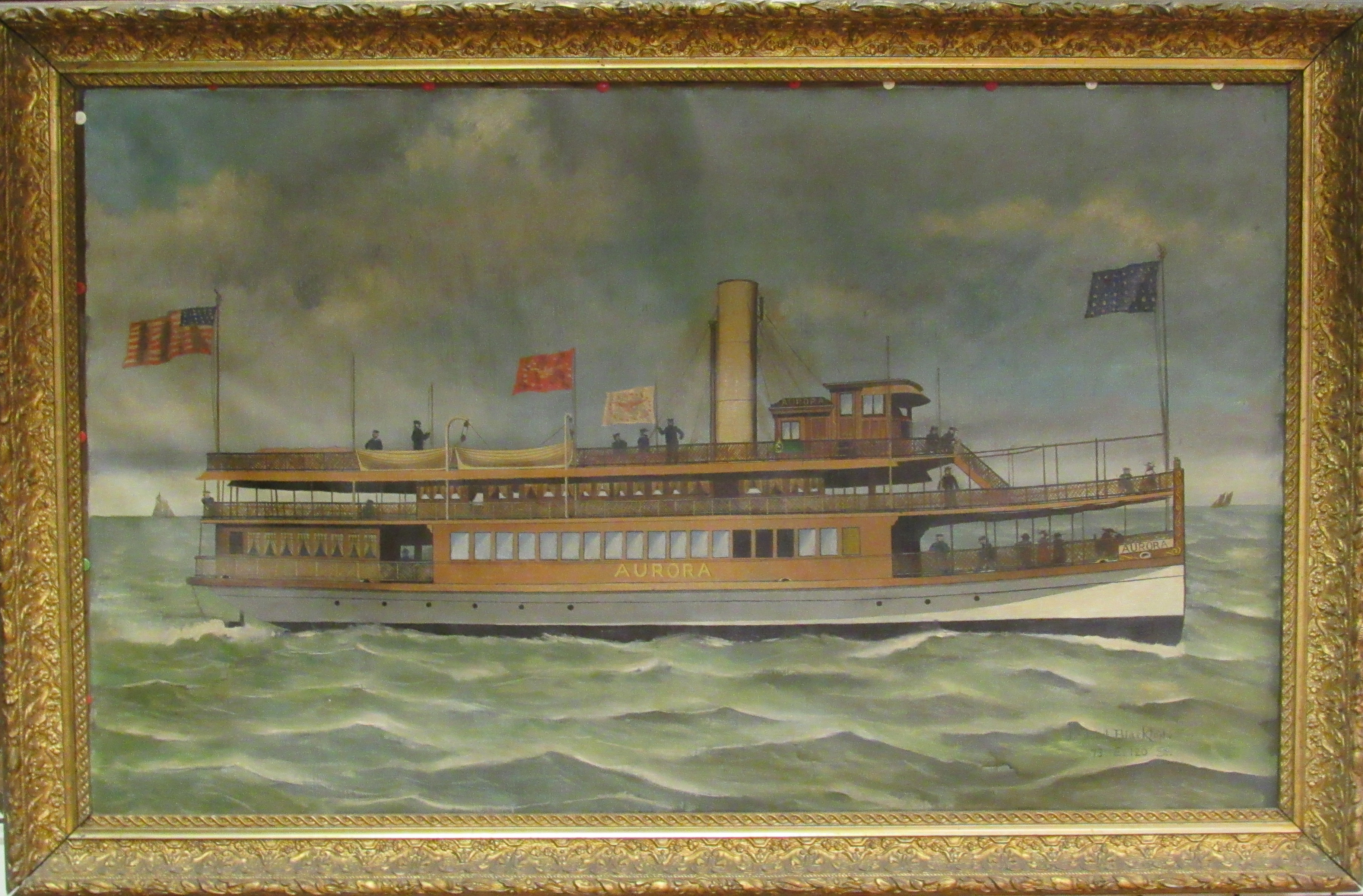 QO 1077
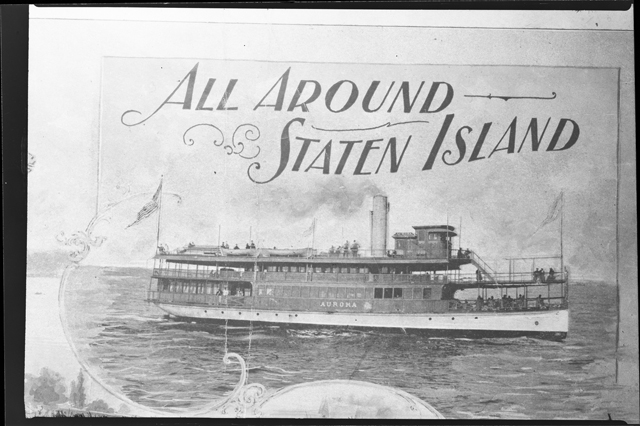 MS0091-03-01-04-077B
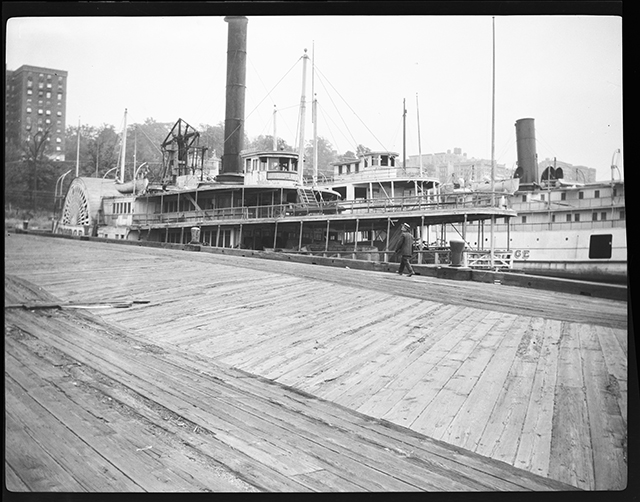 MS0091-03-01-62-111
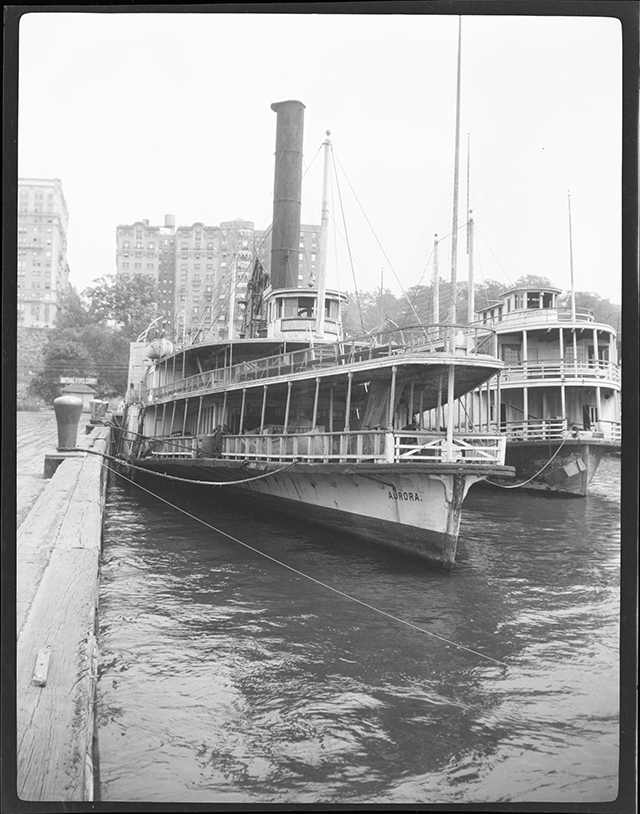 MS0091-03-01-62-113
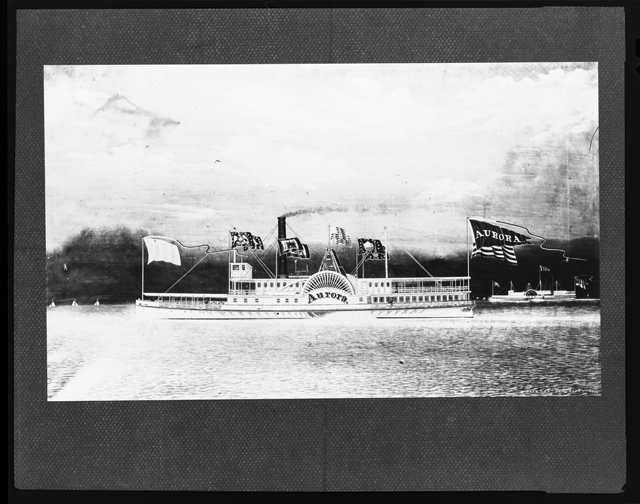 MS0091-03-01-04-086
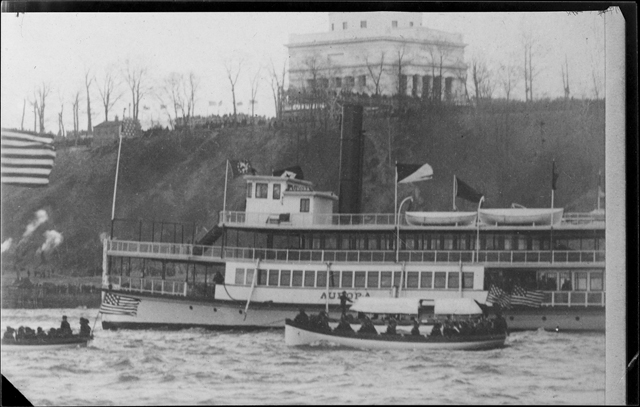 MS0091-03-01-04-077A
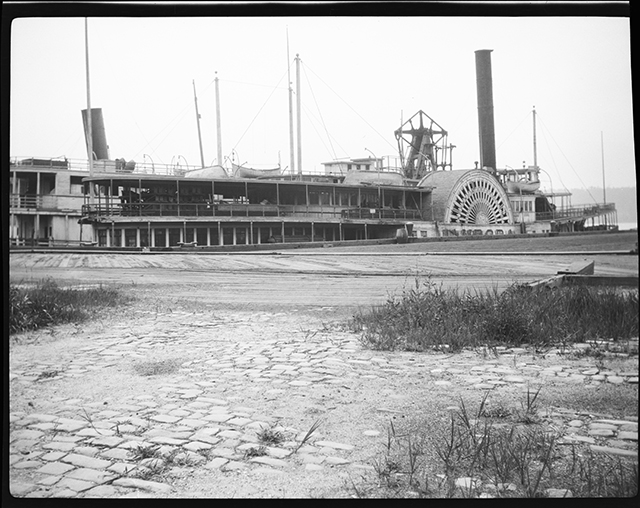 MS0091-03-01-62-112
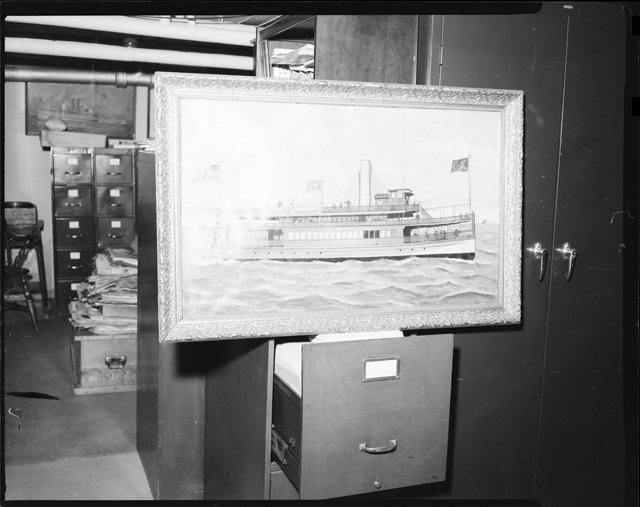 MS0091-03-01-04-076
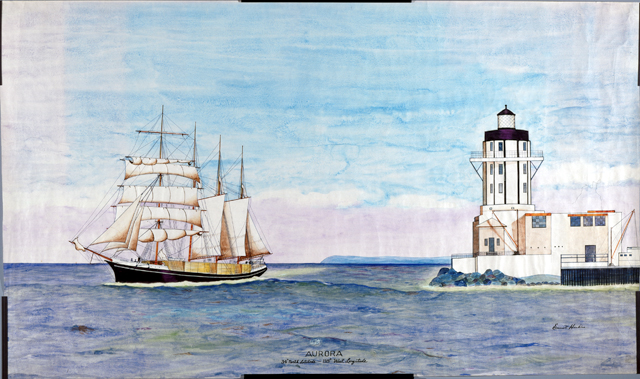 1962.0015.000001
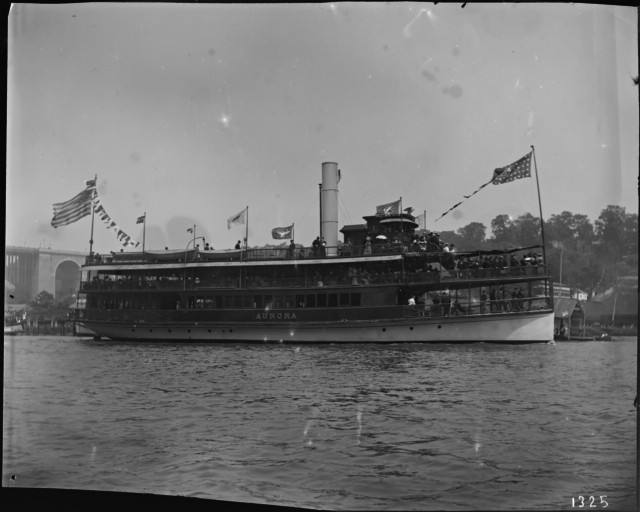 MS0094-1325 Aurora
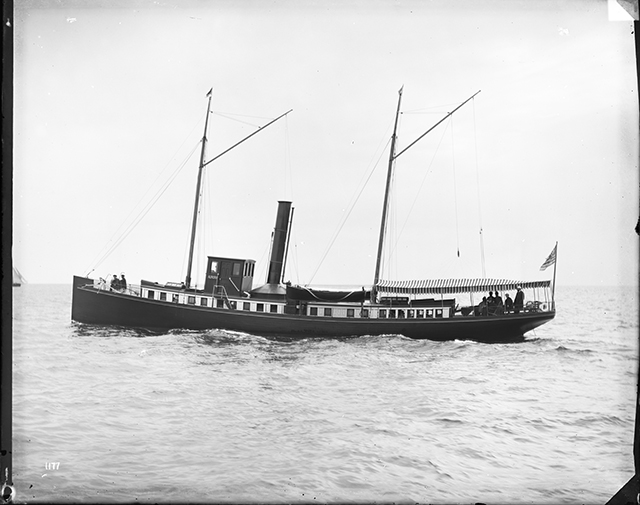 P15-04
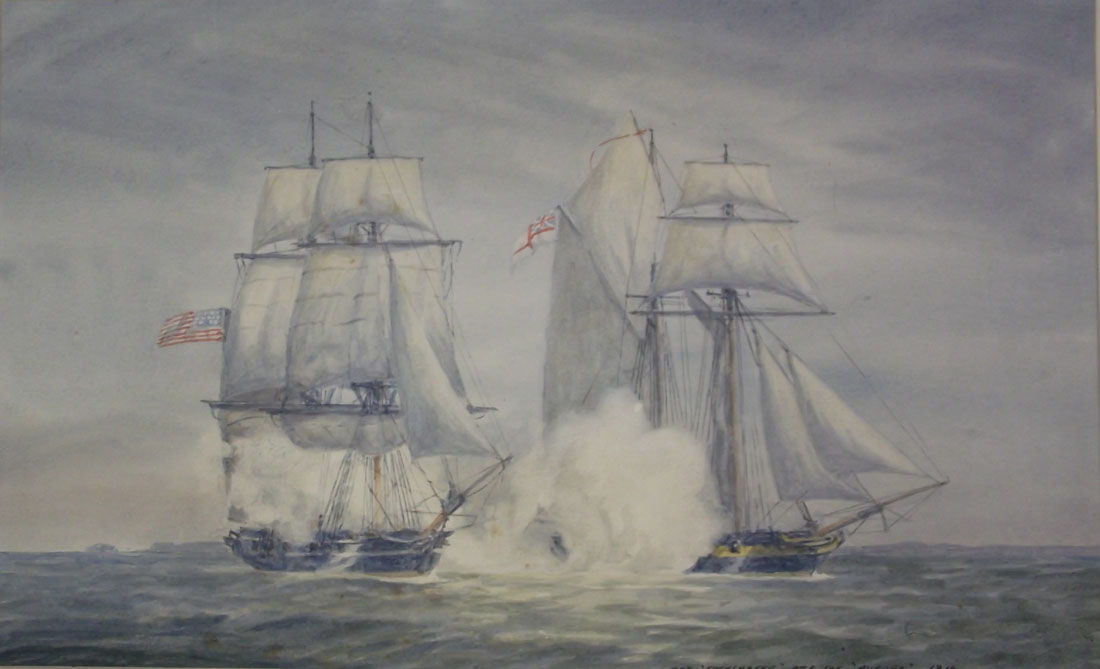 Full-size image
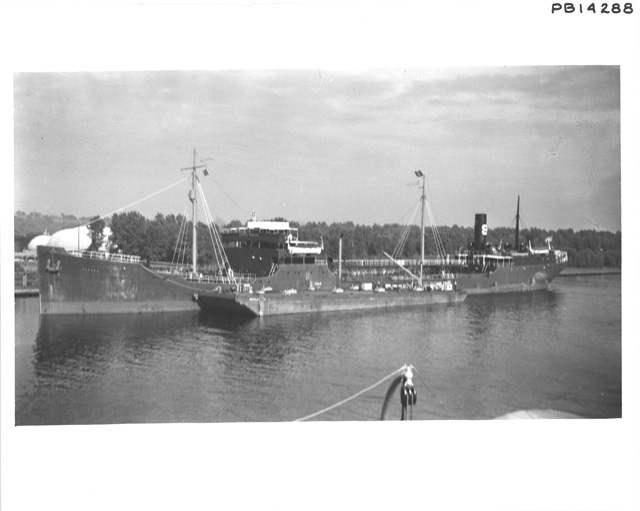 Full-size image
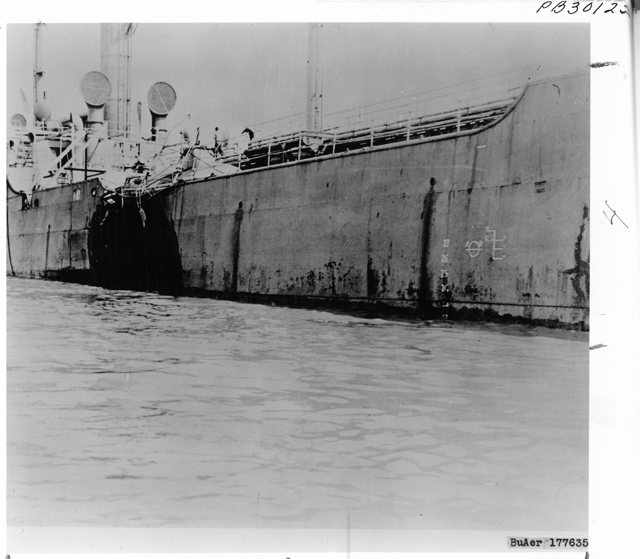 Full-size image
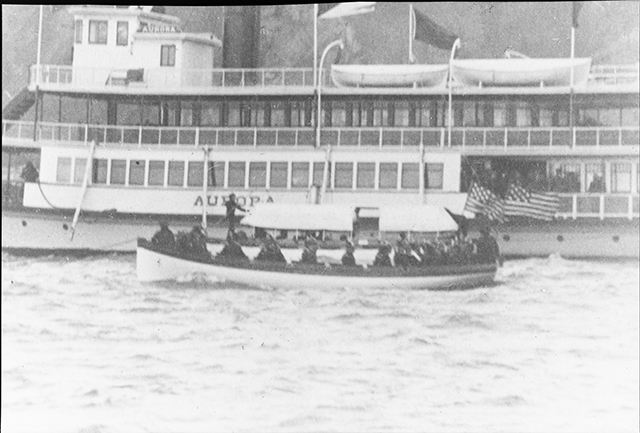 MS0091-03-02-0183
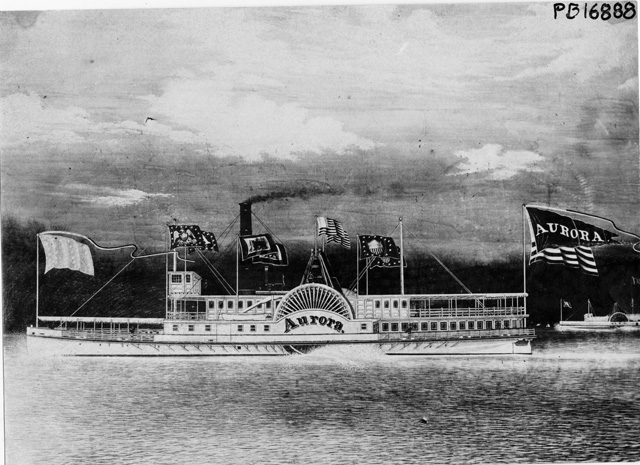 Full-size image
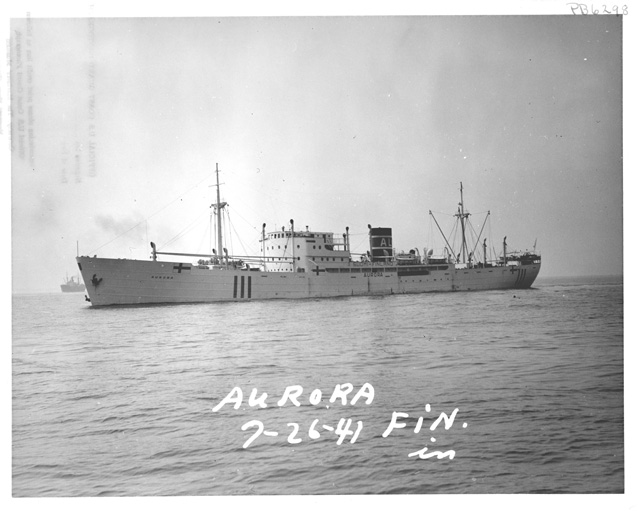 Full-size image
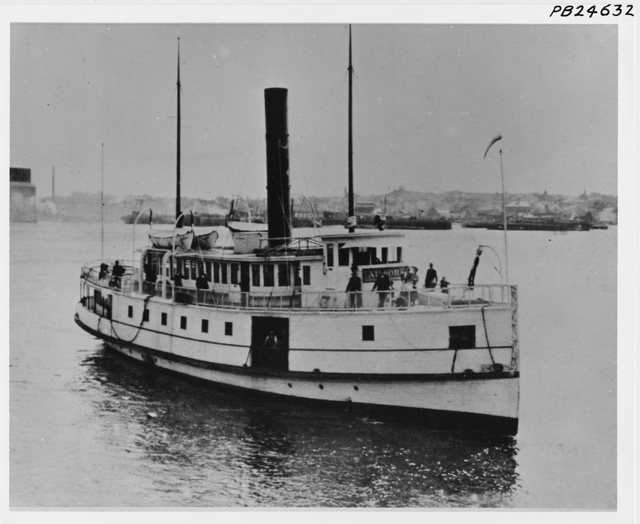 Full-size image
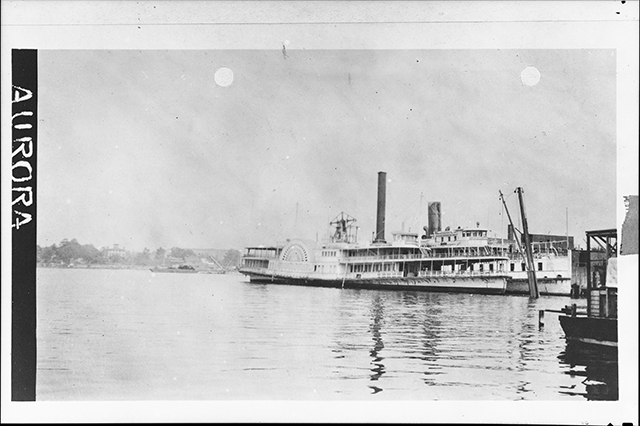 MS0091-03-02-0182
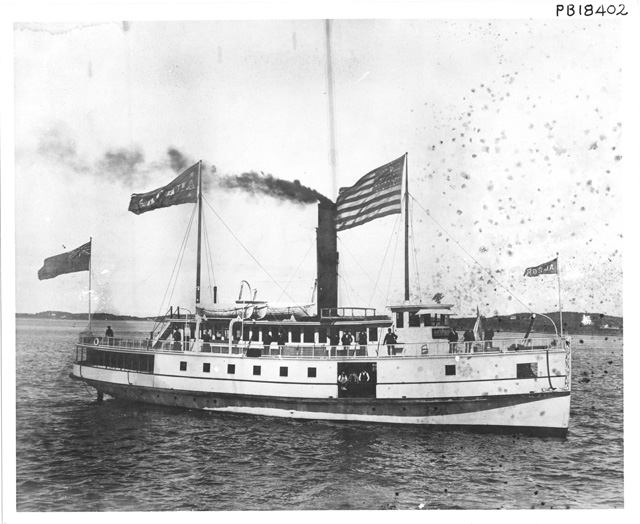 Full-size image
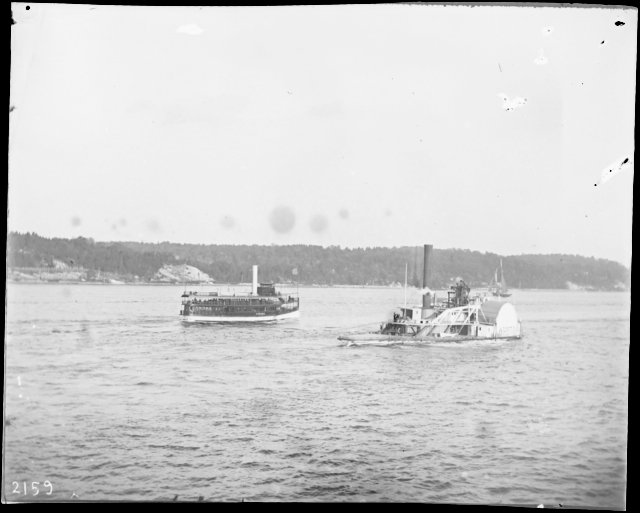 MS0094-2159 Austin
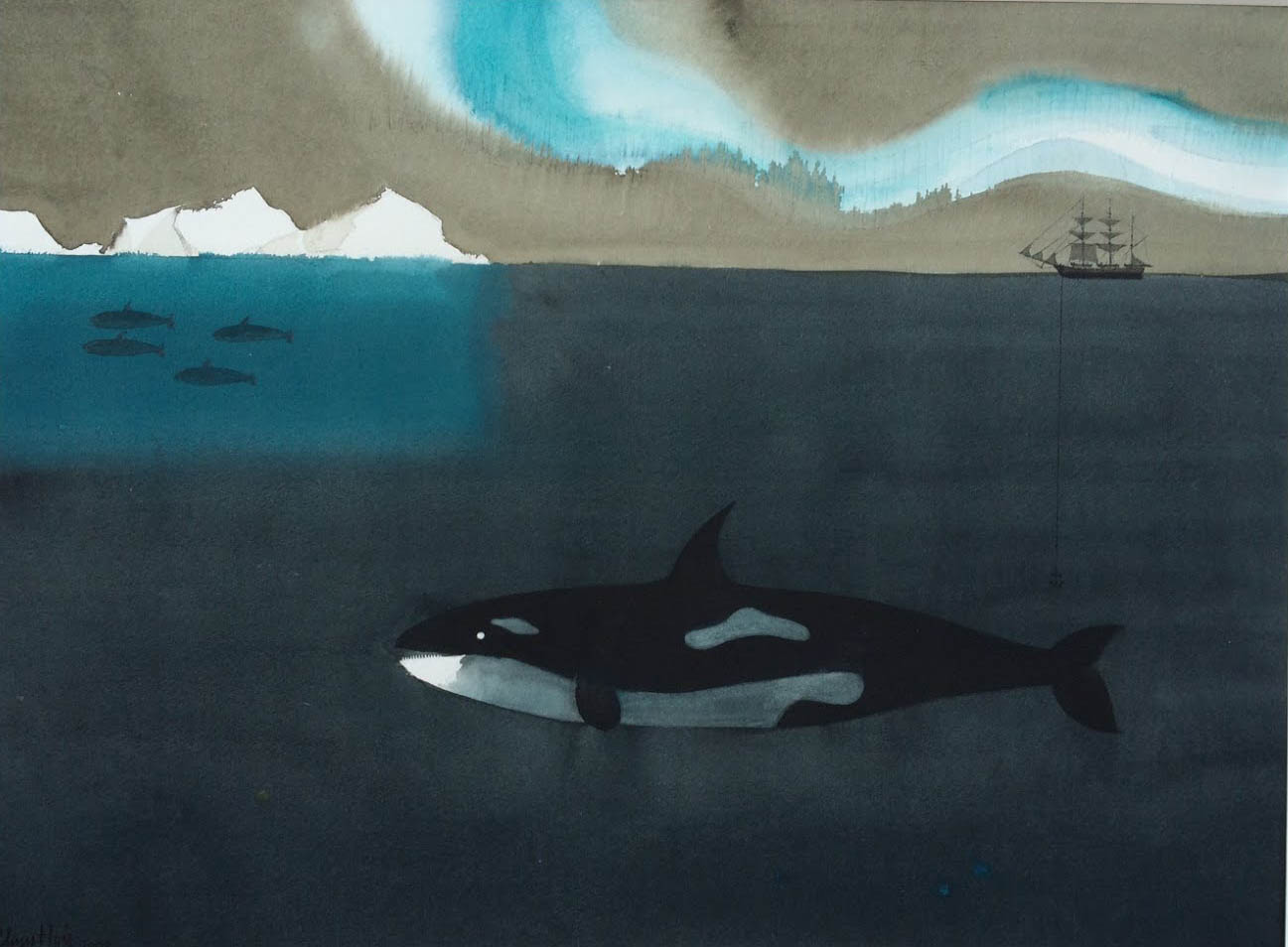 14-26-02
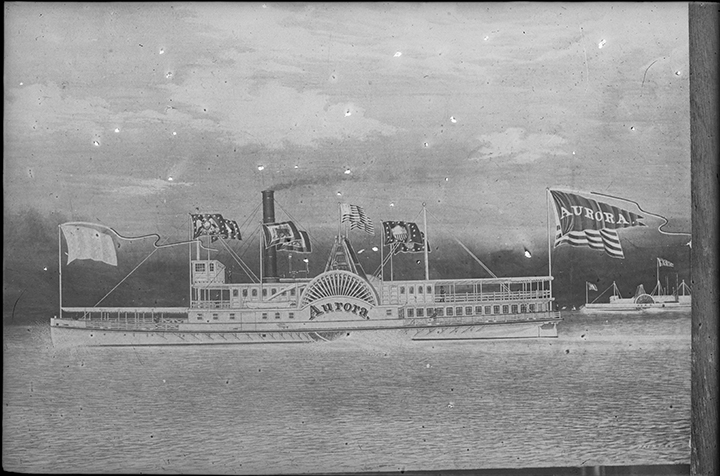 MS0091-03-03-010
 MS0576-02 - 004
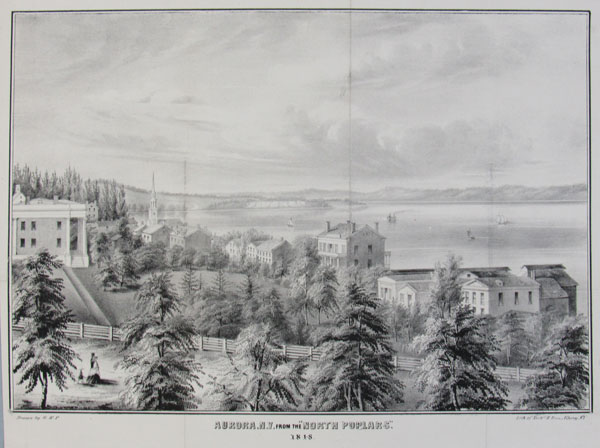 lp6834
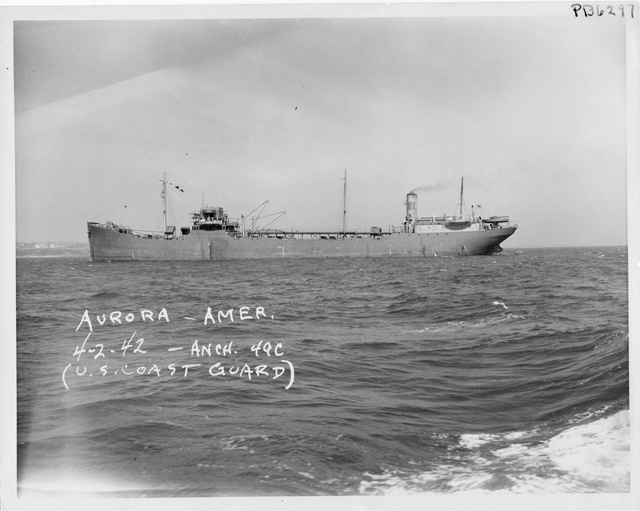 Full-size image
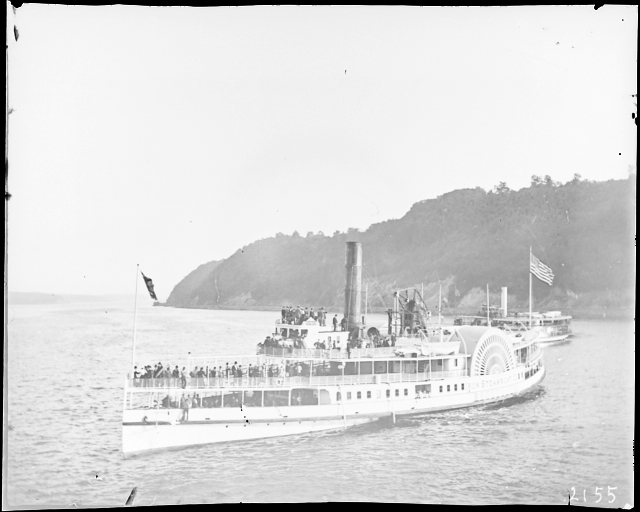 MS0094-2155 Cepheus
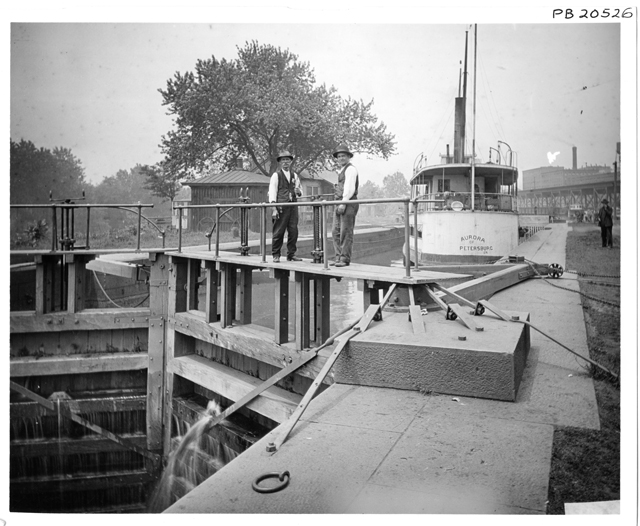 Full-size image
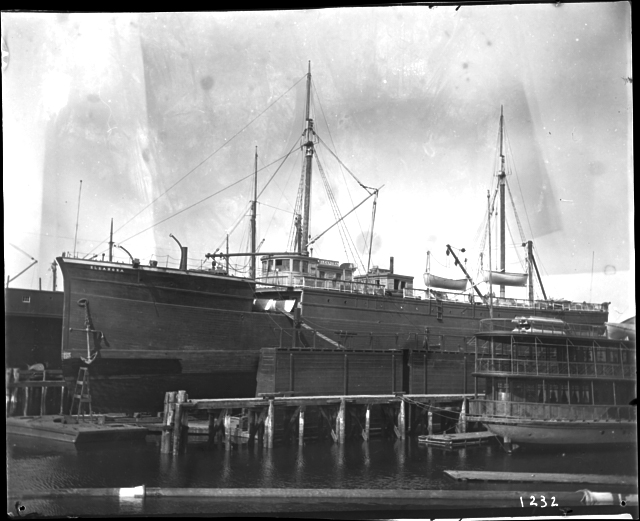 MS0094-1232 Eleanor
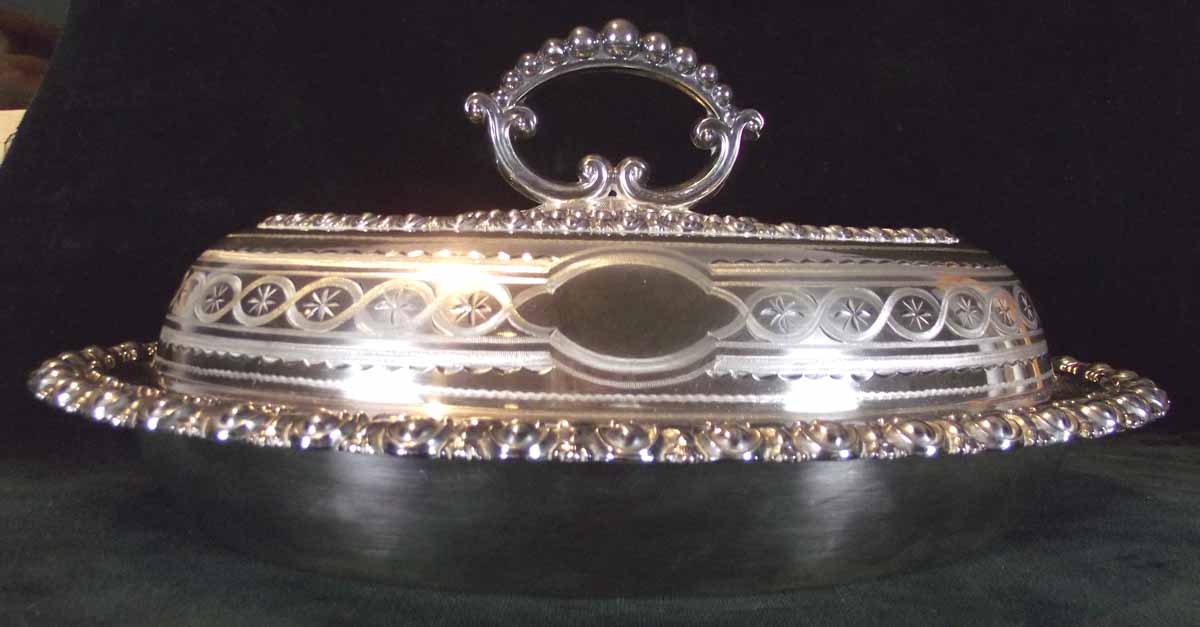 Full-size image
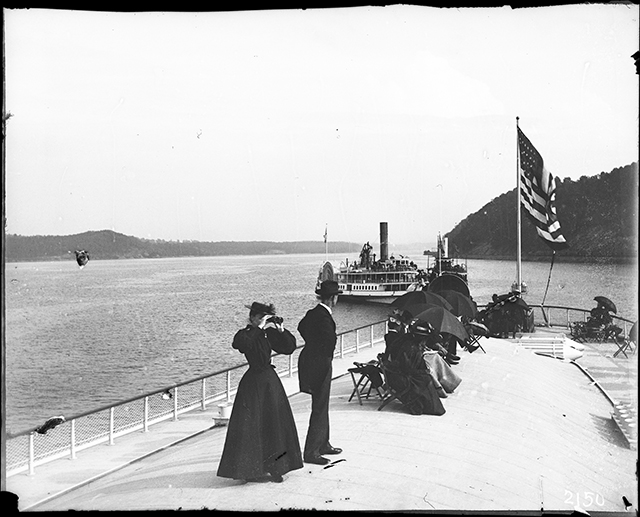 MS0094-2150 Richard Peck
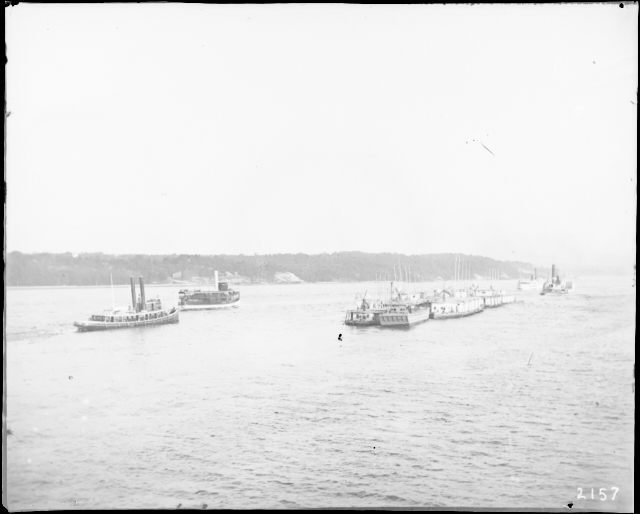 MS0094-2157 Austin
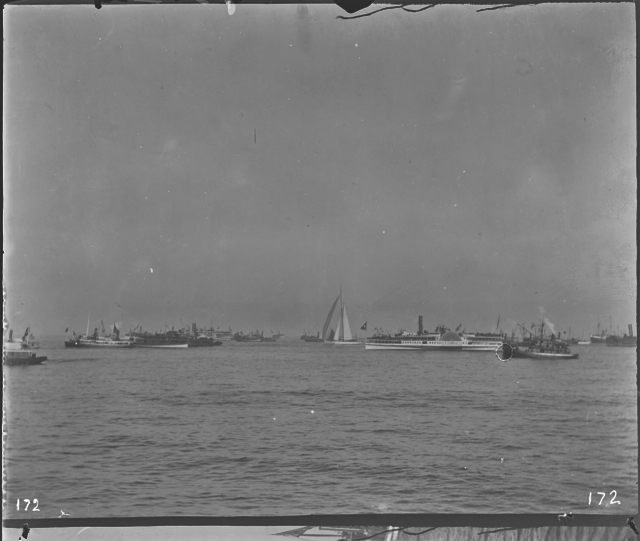 MS0094-172 Cygmus Etc
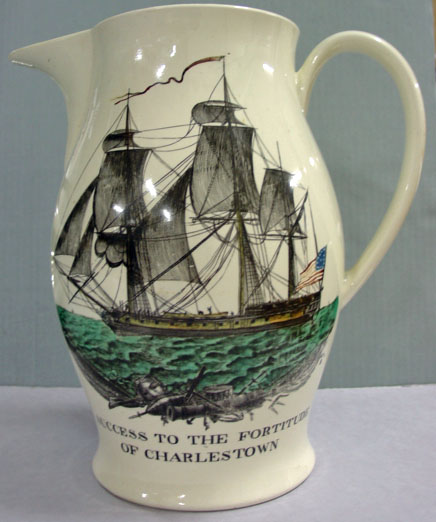 Full-size image
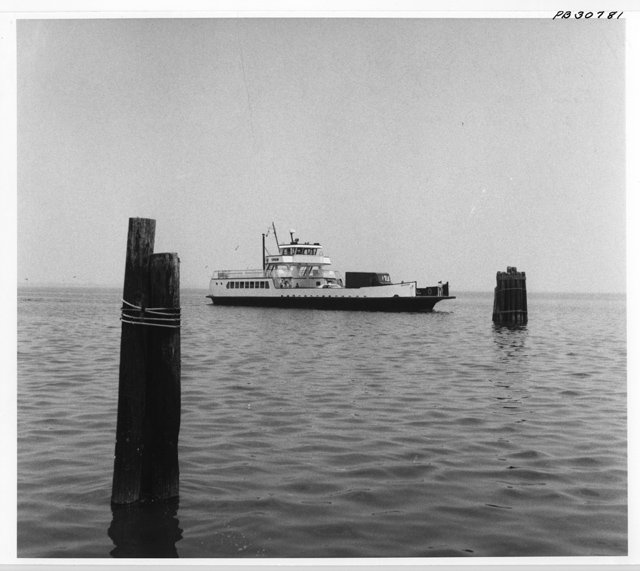 Full-size image
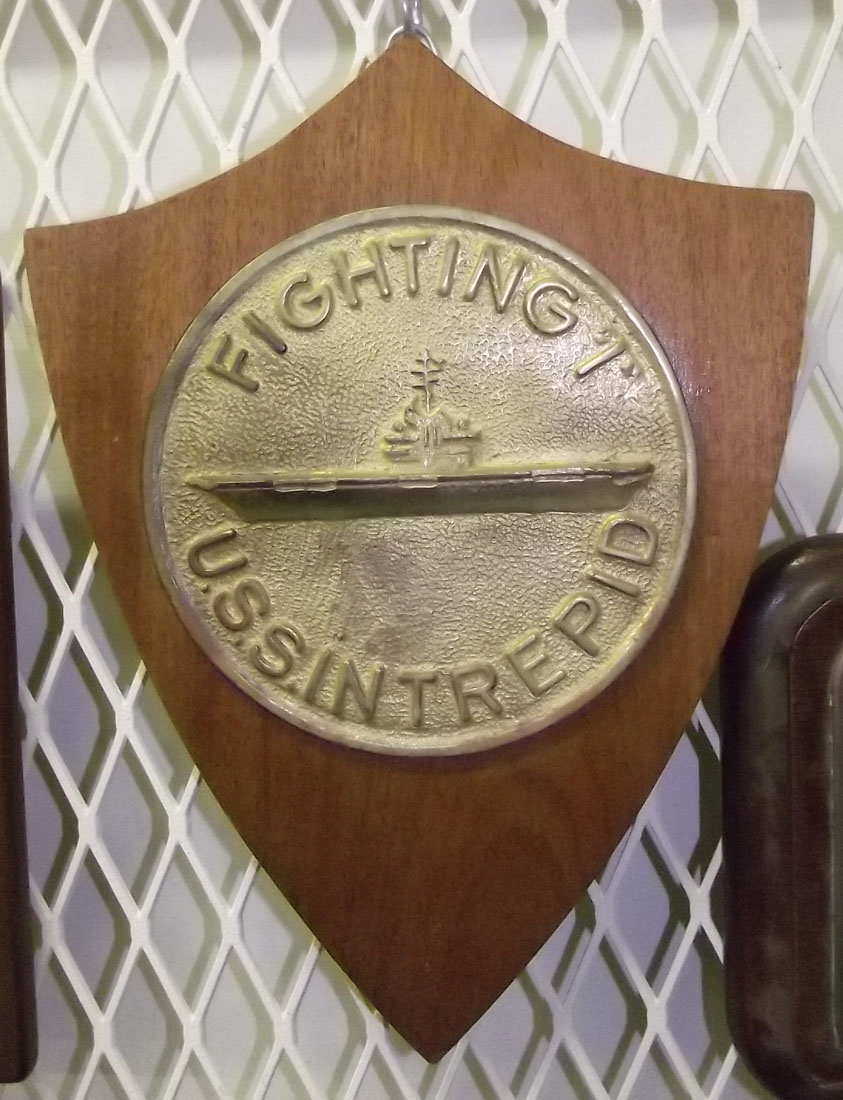 qz60
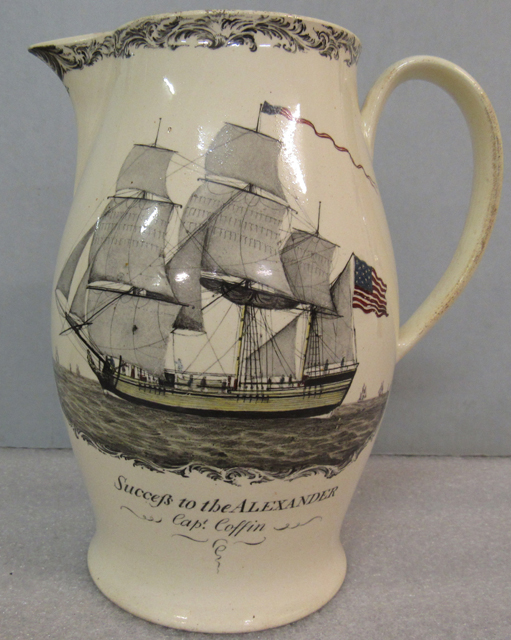 fn340a
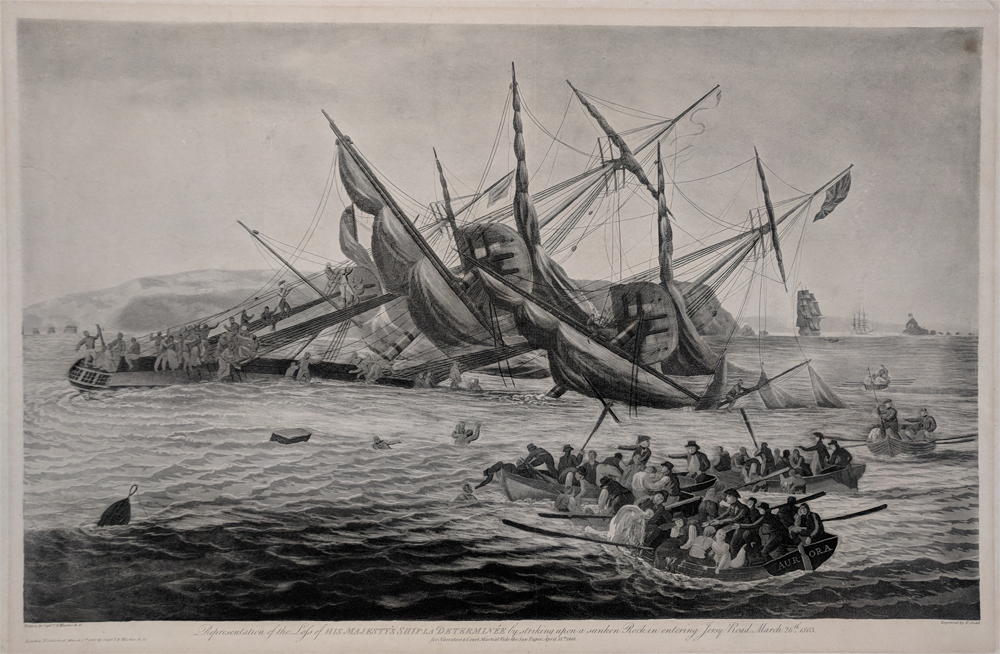 lp422
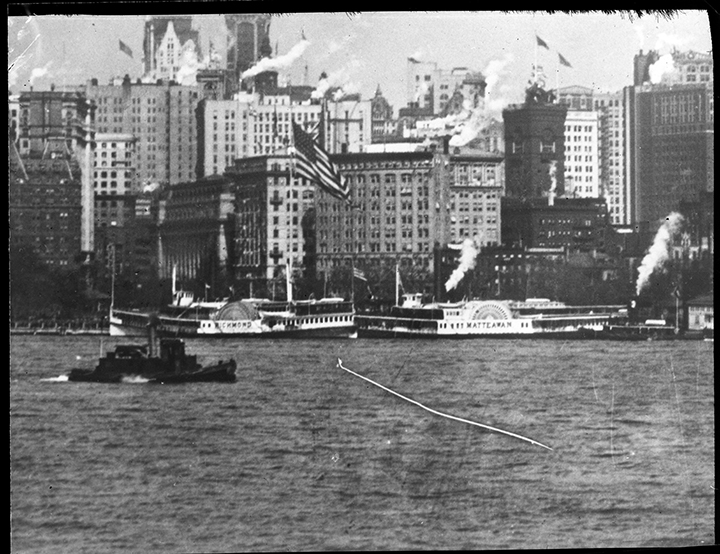 MS0091-03-01-48-036
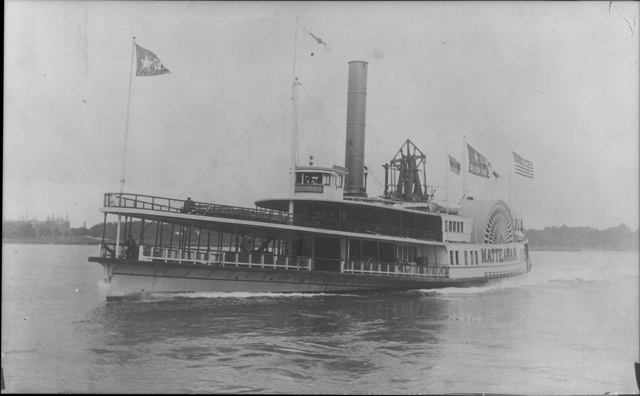 MS0091-03-02-1910
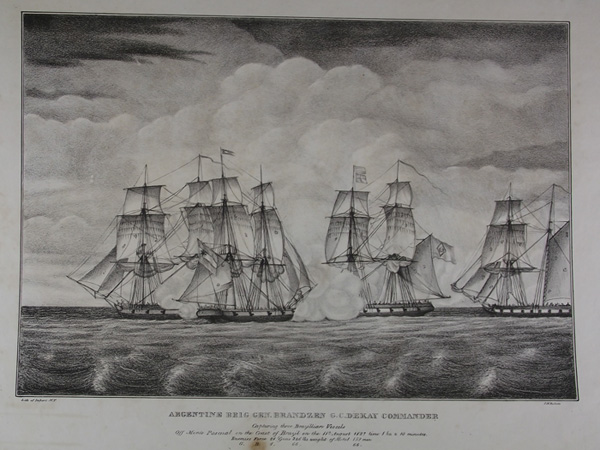 lp3175
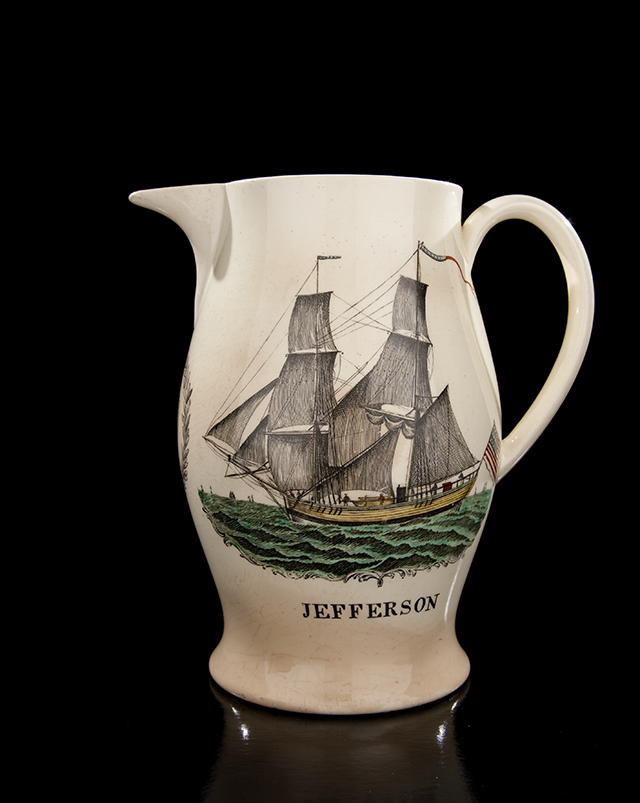 FN830a
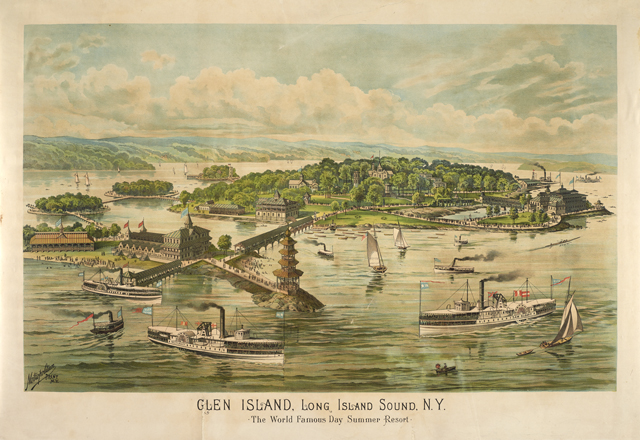 1940.0352.000001
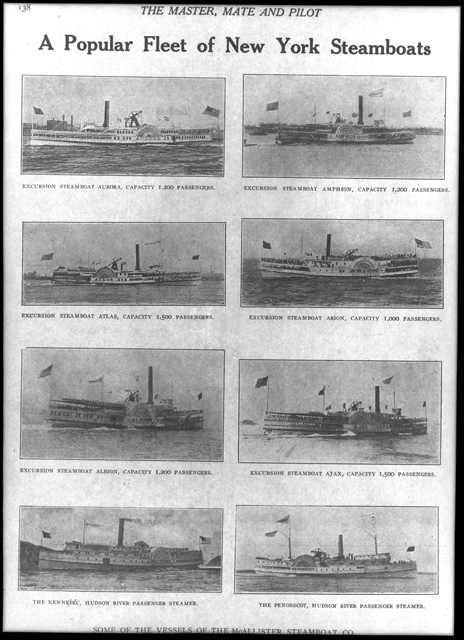 MS0091-03-02-1921
 P0003-01 - E-12076
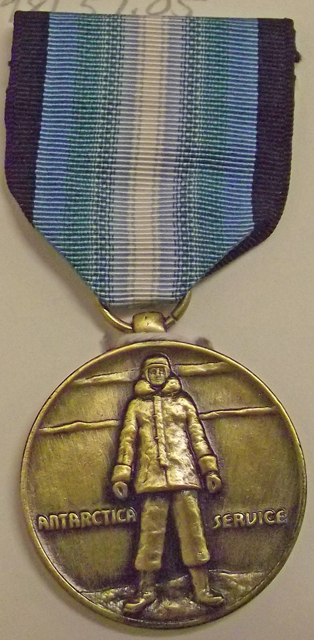 Full-size image
 P0003-01 - F-14147
 P0003-01 - E-13531
 P0003-01 - F-14146
 P0003-01 - F-14148
 P0003-01 - F-14145
 P0003-01 - L-12993
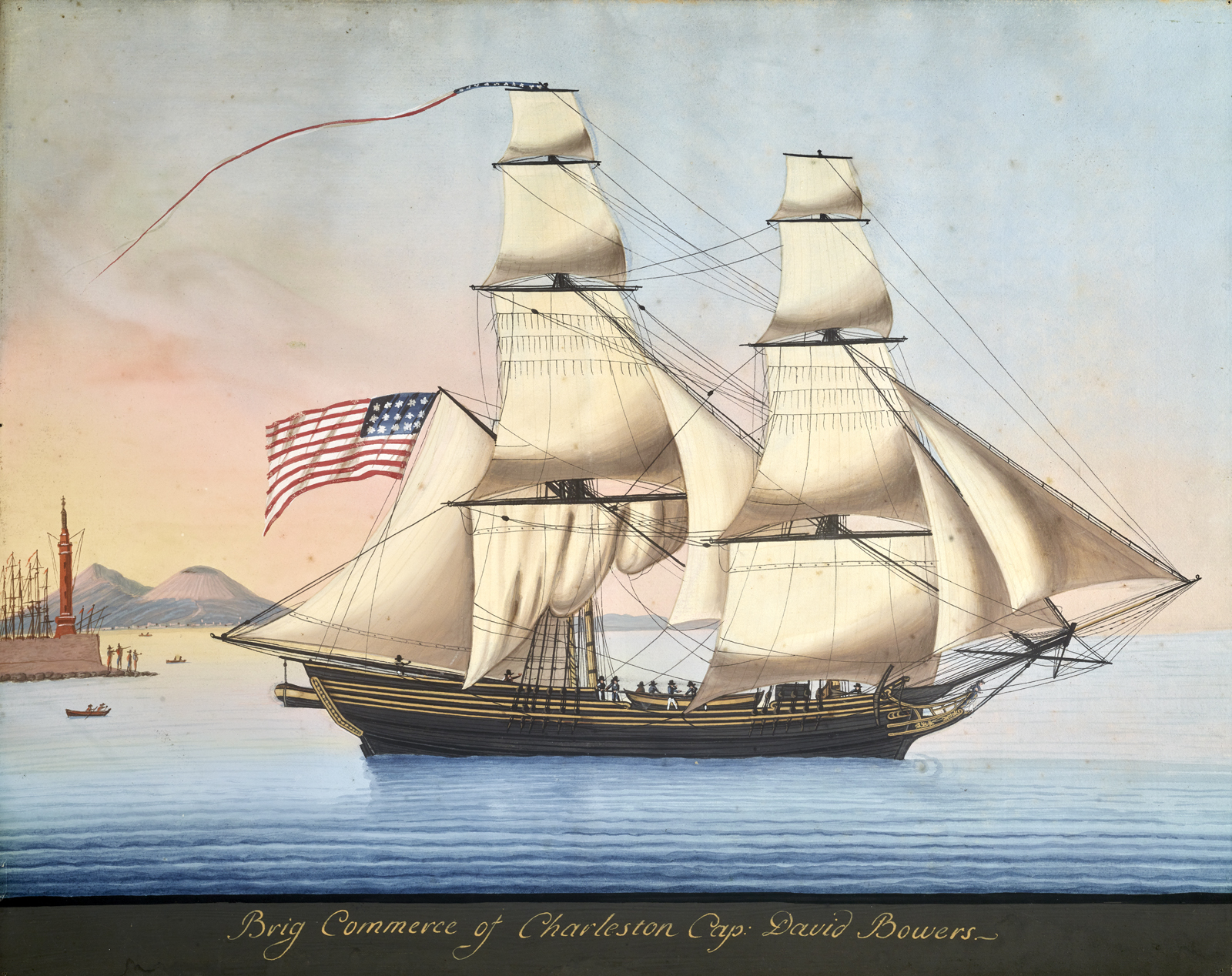 1944.0193.000001
 P0003-01 - E-15801
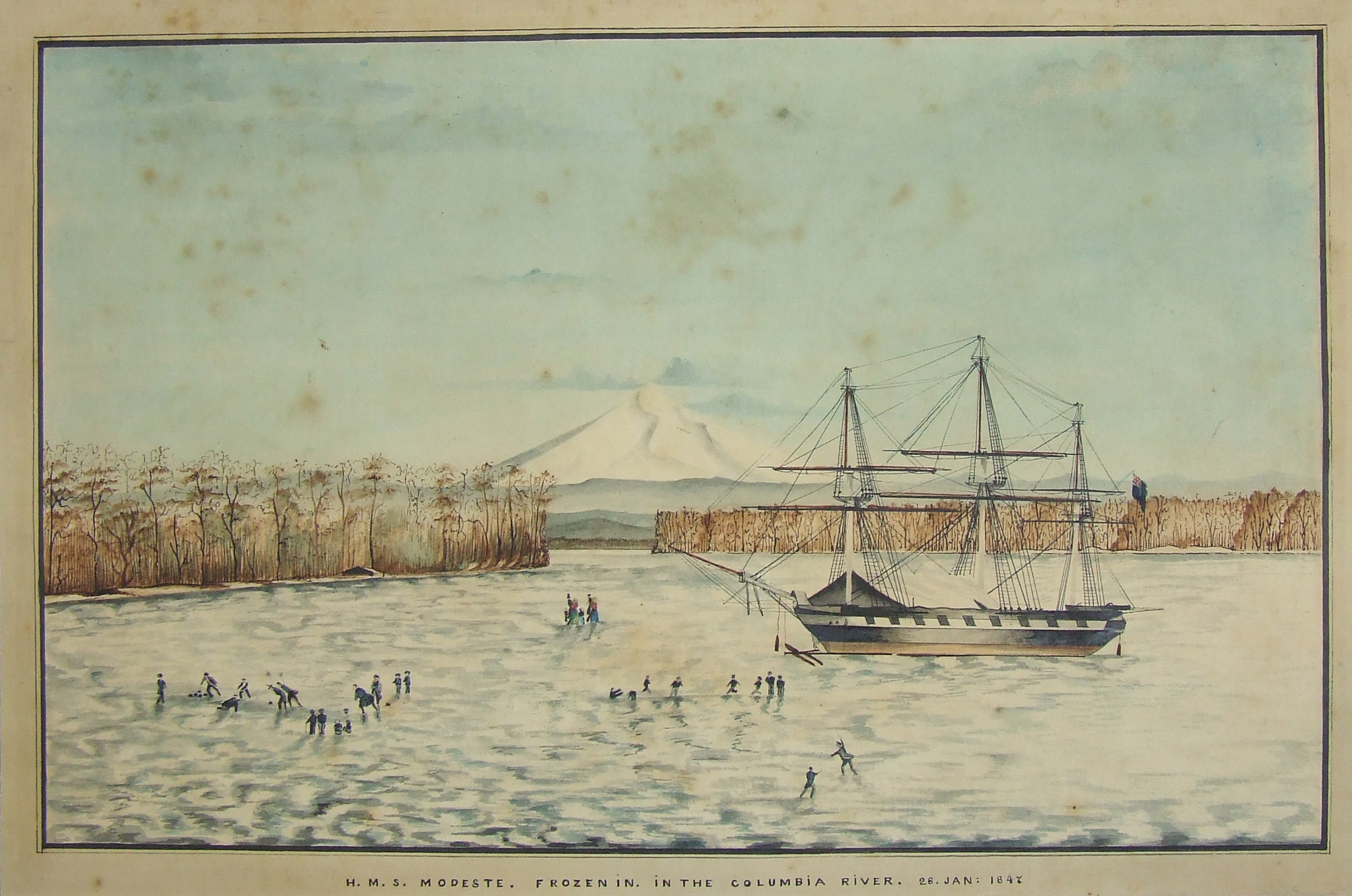 Full-size image
 P0003-01 - F-12891
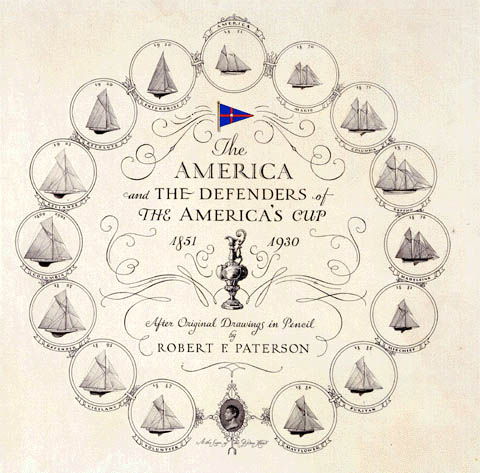 Full-size image
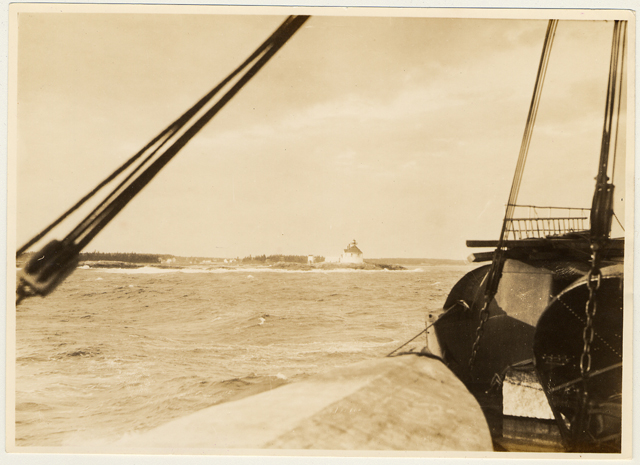 Full-size image
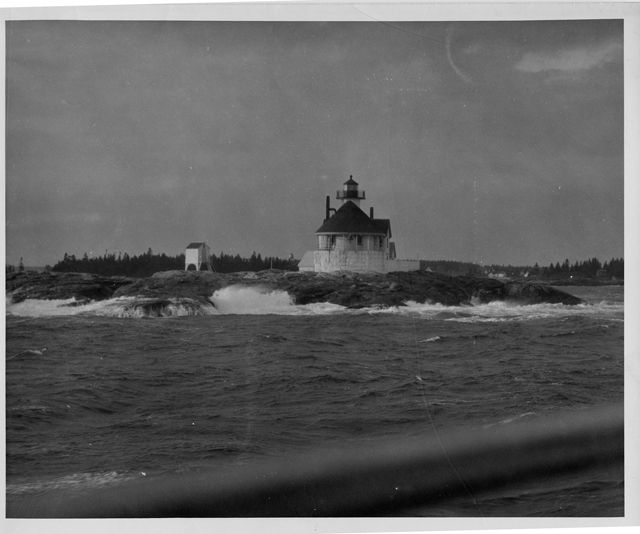 Full-size image
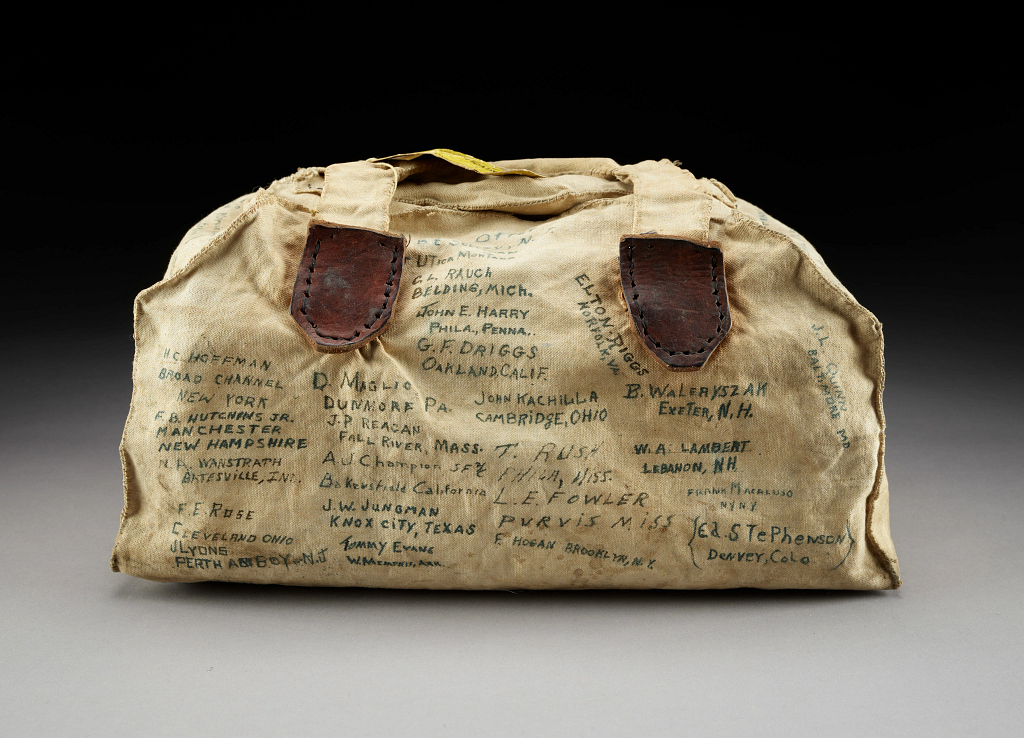 2022.0003.000001_01[1]
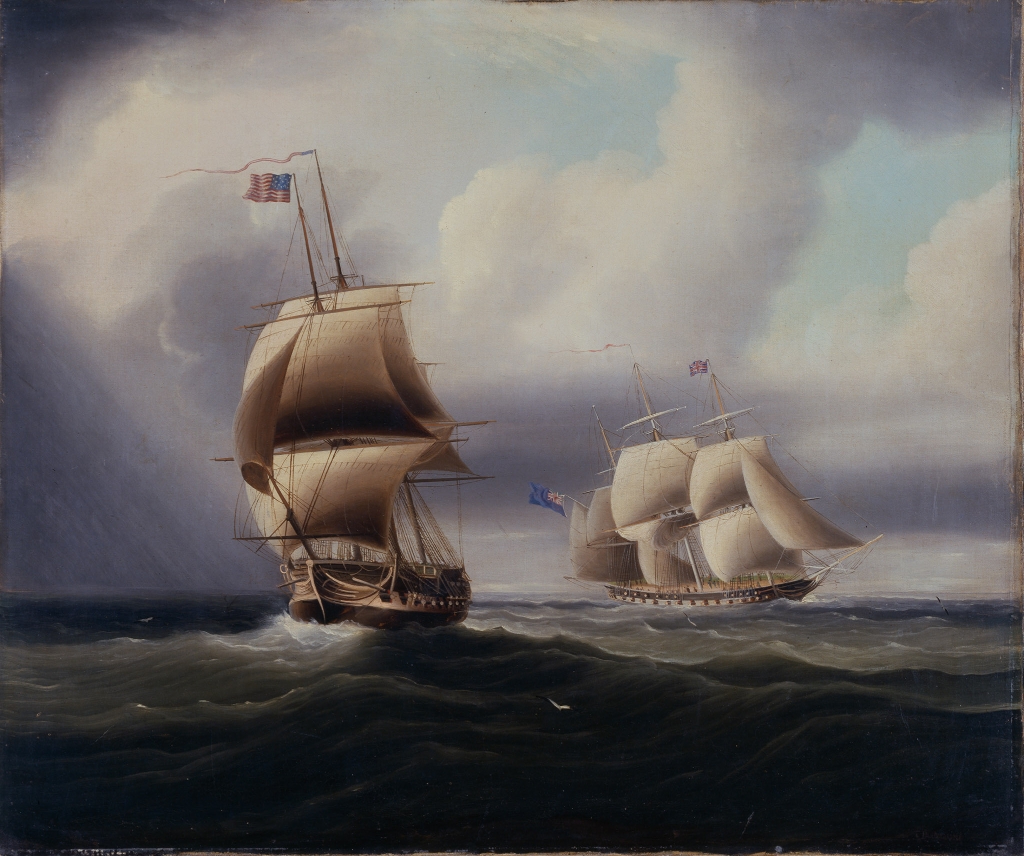 1953.0004.000001
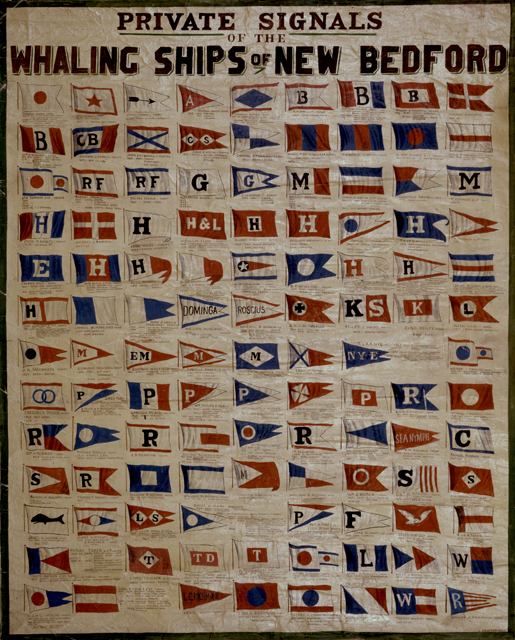 1934.1806.000001